
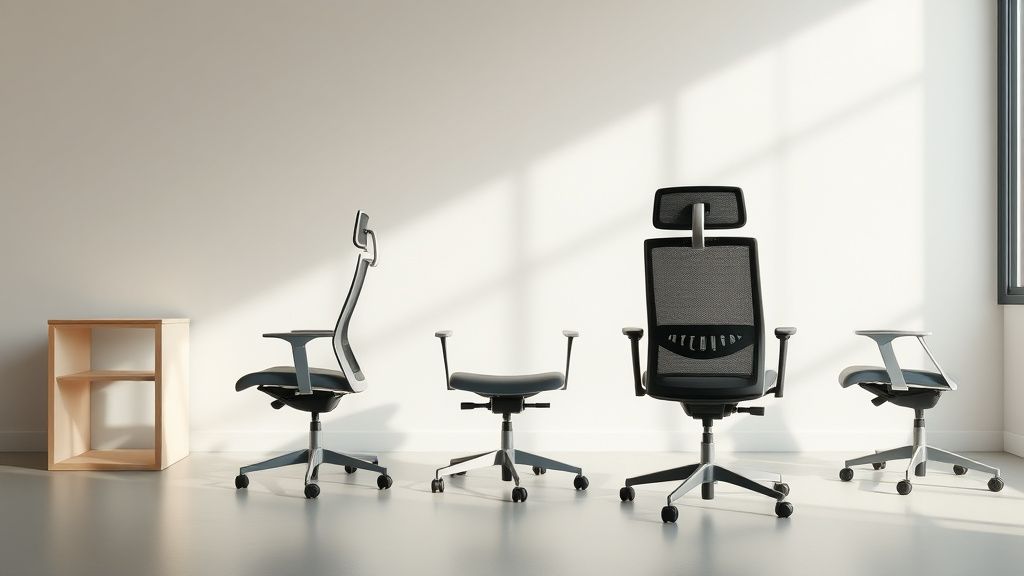
Your Guide to Ergonomic Office Chair Materials: What’s Best for You?
Choosing the right ergonomic office chair is about more than just adjustability and lumbar support—the materials used in its construction play a crucial role in comfort, durability, and even posture. From breathable mesh to plush memory foam, each material has unique benefits and drawbacks. Here’s a detailed breakdown to help you decide what’s best for your needs.
1. Mesh: Breathable and Supportive
Overview:
Mesh is one of the most popular materials for ergonomic chairs, especially for those who sit for long hours. It’s lightweight, flexible, and designed to promote airflow, keeping you cool.
Key Features:
- Breathability: Open-weave design prevents heat buildup, ideal for warm climates or people prone to sweating.
- Flexible Support: Conforms to your body while providing even pressure distribution.
- Low Maintenance: Resists stains and is easy to clean.
Best For: Hot environments, people who sit for extended periods, or those who prefer a firmer, more structured feel.
Potential Drawbacks:
- Less cushioning than foam or fabric.
- May lose tension over time, reducing support.
2. Fabric: Soft and Customizable
Overview:
Fabric upholstery (often polyester, nylon, or blends) offers a softer, more cushioned feel than mesh. It’s available in various textures and colors, making it a versatile choice.
Key Features:
- Comfort: Provides a plush seating experience, often with added padding.
- Variety: Comes in multiple colors and patterns to match office decor.
- Durability: High-quality fabric resists pilling and wear.
Best For: Those who prioritize comfort over breathability or want a chair that blends with their workspace aesthetic.
Potential Drawbacks:
- Traps heat more than mesh.
- Can absorb spills and stains if not treated with a protective coating.
3. Leather and Faux Leather: Luxurious and Durable
Overview:
Genuine leather offers a premium look and feel, while faux leather (PU or PVC) provides a similar aesthetic at a lower cost. Both are easy to clean and maintain.
Key Features:
- Durability: Resistant to spills and easy to wipe down.
- Aesthetic Appeal: Adds a professional, high-end look to any office.
- Longevity: High-quality leather can last decades with proper care.
Best For: Executive settings, people who prefer a sleek appearance, or those who want low-maintenance upholstery.
Potential Drawbacks:
- Genuine Leather: Expensive and can crack over time if not conditioned.
- Faux Leather: Less breathable and may peel or flake after prolonged use.
4. Memory Foam: Contoured Comfort
Overview:
Memory foam molds to your body shape, providing personalized support and reducing pressure points. It’s commonly used in seat cushions and lumbar pads.
Key Features:
- Pressure Relief: Distributes weight evenly, reducing strain on hips and tailbone.
- Adaptive Support: Responds to body heat and weight for a custom fit.
- Long-Lasting: Retains shape better than traditional foam.
Best For: People with back pain, those who need extra cushioning, or anyone seeking a “sinking in” comfort experience.
Potential Drawbacks:
- Can retain heat, making it less ideal for warm environments.
- Higher-quality memory foam is more expensive.
5. Traditional Foam: Affordable and Reliable
Overview:
High-density foam is a common cushioning material in budget-friendly ergonomic chairs. It offers a balance of support and comfort without the premium cost of memory foam.
Key Features:
- Firm Support: Provides a stable seating surface, good for posture.
- Cost-Effective: More affordable than memory foam or premium fabrics.
- Lightweight: Often used in chairs with adjustable seat depth.
Best For: Shorter sitting sessions, budget-conscious buyers, or those who prefer firmer seating.
Potential Drawbacks:
- Can compress over time, losing support.
- Less contouring than memory foam.
6. Hybrid Materials: The Best of Both Worlds
Overview:
Many ergonomic chairs combine materials for optimal performance—for example, mesh backrests with foam seats or fabric upholstery with memory foam lumbar support.
Key Features:
- Custom Comfort: Tailored support where you need it most.
- Enhanced Breathability: Mesh panels paired with cushioned seats.
- Versatility: Adapts to different climates and body types.
Best For: Those who want a balanced approach or have specific comfort needs (e.g., breathable back support with a plush seat).
What to Look for in an Ergonomic Chair Material
When choosing materials for your ergonomic chair, consider:
- Climate: Breathable mesh for hot environments, fabric or foam for cooler spaces.
- Comfort Needs: Memory foam for pressure relief, high-density foam for firm support.
- Durability: Leather or high-quality fabric for long-term use, mesh for lightweight flexibility.
- Maintenance: Leather and mesh are easiest to clean; fabric may require more care.
- Aesthetics: Leather for a professional look, fabric for customization, mesh for a modern vibe.
By matching the material to your daily needs, you’ll ensure your chair supports both your posture and comfort for years to come.
Our picks worth a closer look
- 750lbs Big and Tall Office Chair with Wide Thick Seat Cushion,Ergonomic Mesh OffCheck on Amazon → — see current price and specs.
- NOUHAUS +Posture Ergonomic Rolling Office ChairCheck on Amazon → — see current price and specs.
- Autonomous ErgoChair Pro Ergonomic Office ChairCheck on Amazon → — see current price and specs.
- Big and Tall Office Desk Chair 500lbs, Ergonomic Heavy Duty Mesh Desk Chair, ExeCheck on Amazon → — see current price and specs.
- Drafting Chair 400lbs Heavy Duty Tall Office Chair Big and Tall Ergonomic StandiCheck on Amazon → — see current price and specs.