
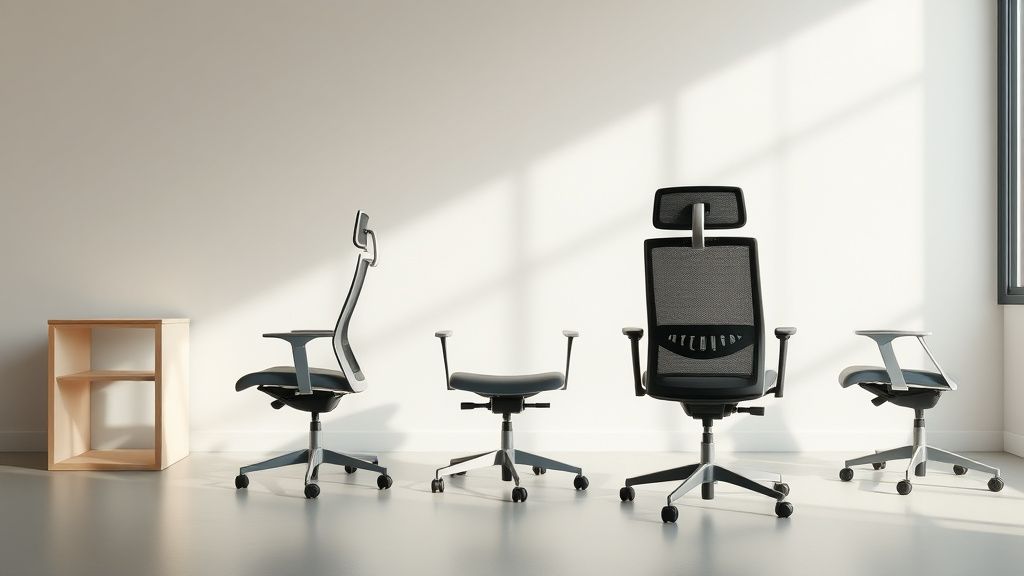
The Best Office Chairs for Sciatica: Finding Relief Through Ergonomics
Sciatica—a sharp, radiating pain caused by compression or irritation of the sciatic nerve—can make sitting for long periods unbearable. For office workers, this pain can significantly impact productivity and overall well-being. The right ergonomic office chair can alleviate pressure on the lower back and hips, reducing sciatic discomfort. Below, we explore key features to look for and review some of the best chair types for sciatica relief.
How an Ergonomic Chair Helps with Sciatica
Sciatica often stems from poor posture, prolonged sitting, or pressure on the lumbar spine. A well-designed ergonomic chair addresses these issues by:
- Supporting the lumbar spine to maintain its natural curve.
- Promoting proper hip alignment to reduce nerve compression.
- Encouraging movement with features like tilt or swivel to prevent stiffness.
- Distributing weight evenly to avoid pressure points in the lower back and buttocks.
Chairs with adjustable seat depth, backrest recline, and seat tilt are particularly beneficial for sciatica sufferers.
What to Look for in an Office Chair for Sciatica
When shopping for a sciatica-friendly chair, prioritize these features:
- Lumbar Support – Adjustable or built-in lumbar support helps maintain spinal alignment.
- Seat Depth Adjustment – Ensures proper thigh support without pressing behind the knees.
- Tilt and Recline Mechanisms – Allows dynamic sitting to shift pressure off the sciatic nerve.
- Seat Cushioning – Medium-firm padding prevents sinking, which can strain the lower back.
- Breathable Material – Mesh or high-quality foam prevents heat buildup, reducing discomfort.
- Armrest Adjustability – Properly positioned armrests reduce shoulder and upper back strain.
Best Types of Office Chairs for Sciatica
1. High-Back Ergonomic Chairs with Lumbar Support
Chairs like the Steelcase Leap or Herman Miller Aeron feature adjustable lumbar support and seat depth, allowing customization for individual spinal curves. The Aeron’s PostureFit SL mechanism specifically targets lower back support, while the Leap’s LiveBack technology mimics natural spine movement.
Why it works: These chairs encourage an upright posture, reducing pressure on the sciatic nerve.
2. Kneeling Chairs
Kneeling chairs, such as the Varier Variable Balans, tilt the pelvis forward, promoting a neutral spine and reducing lower back strain.
Why it works: By shifting weight from the lower back to the shins and knees, these chairs can relieve sciatic pressure. However, they may not suit everyone for long-term use.
3. Saddle Chairs
Common in medical settings, saddle chairs (like the Salli Hip Swing) position the hips slightly wider than a traditional seat, improving pelvic alignment.
Why it works: The open hip angle reduces compression on the sciatic nerve, making them ideal for those with chronic pain.
4. Balancing (Active Sitting) Chairs
Chairs like the HAG Capisco or CoreChair encourage micro-movements, engaging core muscles and preventing stiffness.
Why it works: Active sitting improves circulation and reduces static pressure on the lower back.
5. Zero-Gravity Recliners
While not traditional office chairs, some ergonomic recliners (like the Human Touch Perfect Chair) allow a near-zero-gravity position, offloading spinal pressure.
Why it works: Elevating the legs slightly can relieve sciatic tension for short breaks.
Additional Tips for Sciatica Relief at Your Desk
- Use a Footrest – Keeps knees level with hips if your chair is too high.
- Stand and Stretch – Take breaks every 30 minutes to walk or do gentle sciatica stretches.
- Add a Seat Cushion – A wedge or memory foam cushion can enhance support if your chair lacks adequate padding.
Final Thoughts
Choosing the right office chair for sciatica involves prioritizing lumbar support, adjustability, and movement-friendly features. High-back ergonomic chairs, kneeling chairs, and saddle chairs are among the best options, depending on personal comfort preferences. Pairing your chair with proper posture habits and regular movement will maximize pain relief and long-term spinal health.
If sciatica persists, consult a healthcare professional to address underlying causes beyond seating.
Our picks worth a closer look
- JIPORIER Lumbar Support Pillow for Office Chair,Seat Cushion with Back Support,OCheck on Amazon → — see current price and specs.
- 750lbs Big and Tall Office Chair with Wide Thick Seat Cushion,Ergonomic Mesh OffCheck on Amazon → — see current price and specs.
- NOUHAUS +Posture Ergonomic Rolling Office ChairCheck on Amazon → — see current price and specs.
- Autonomous ErgoChair Pro Ergonomic Office ChairCheck on Amazon → — see current price and specs.
- Big and Tall Office Desk Chair 500lbs, Ergonomic Heavy Duty Mesh Desk Chair, ExeCheck on Amazon → — see current price and specs.