
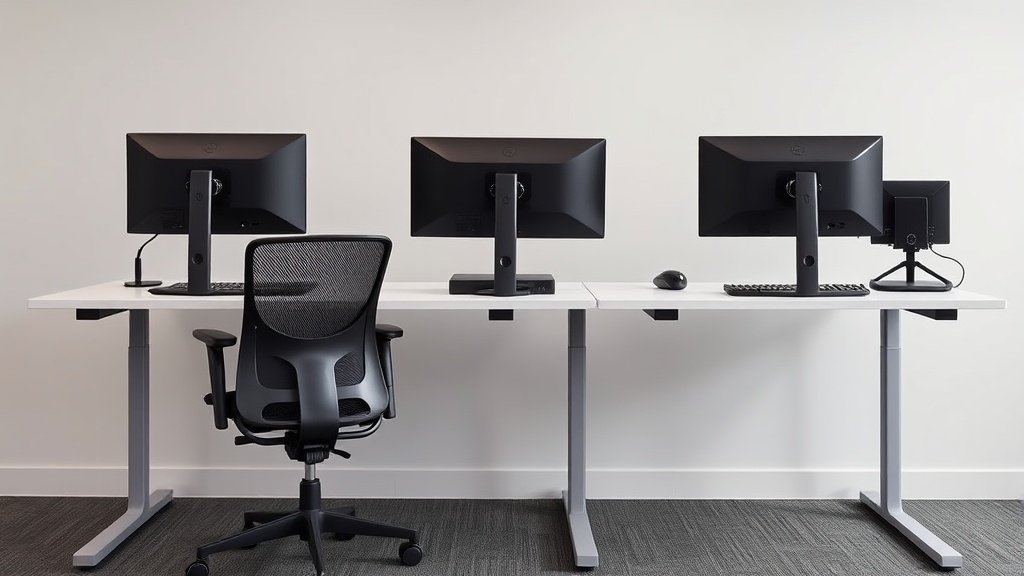
Standing Desks and Mental Health: Reducing Stress and Anxiety
If you’re a desk worker who feels the cumulative weight of stress and anxiety by mid-afternoon, your sedentary setup could be partly to blame. Hours spent sitting in static postures not only affect your physical health but also your mental well-being. Standing desks have gained popularity as a tool to combat this, but how do they actually impact your stress and anxiety levels? This article explores how standing desks work in relation to mental health, what factors to consider beyond just standing up, and realistic expectations for integrating them into your daily work experience.
What Standing Desks Are and How They Relate to Mental Health
Standing desks are desks designed to allow you to work while standing, either exclusively or with the ability to adjust between sitting and standing. The premise is simple: by reducing sedentary behavior, you can improve circulation, increase alertness, and potentially foster better mental states.
From a mental health perspective, the benefits of standing desks come from a combination of factors:
- Increased movement and microbreaks: Standing more encourages subtle shifts in posture and short walking breaks, which can reduce muscle stiffness and mental fatigue.
- Improved circulation: Standing can enhance blood flow to the brain, increasing alertness and potentially decreasing feelings of lethargy, which often accompany anxiety and stress.
- Psychological impact: Changing posture can influence mood and cognitive processing. Many users report feeling more engaged and less “stuck” when standing.
However, standing desks are not a silver bullet. They interact with how you use your workspace, your chair, and your workflow habits. Poor ergonomics while standing can introduce new discomforts, which then add stress rather than relieve it.
See also: The Science Behind Standing Desks and Increased Productivity
How Standing Desks Work in Practice
Measuring Fit: Beyond Just Standing Height
The effectiveness of a standing desk in reducing stress and anxiety depends significantly on ergonomic fit:
-
Desk Height Adjustability: The desk must be adjustable to your body height so your elbows sit at roughly 90 degrees while typing. When the desk is too high or too low, you’ll develop tension in the shoulders and neck, worsening discomfort and stress.
-
Complementary Seating: Because standing for 8 hours sounds daunting, a good adjustable chair with lumbar support is key. Seats with adjustable depth and armrests that travel 4-dimensionally (height, width, depth, and pivot) let you find postures that reduce strain and keep your muscles engaged without overloading them.
-
Pressure Mapping: Using pressure mapping tools on your seat while sitting and using anti-fatigue mats when standing can help reduce localized muscle fatigue, which contributes to mental stress if left unchecked.
Work Patterns That Make a Difference
Standing desks are most effective when paired with intentional work habits:
-
Alternate Sitting and Standing: Aim for intervals such as 30-60 minutes standing followed by sitting breaks. This variation keeps circulatory and muscular systems more active, reducing physical tension and mental fatigue.
-
Microbreaks and Movement: Use a timer or software reminders to encourage short stretches, walking around, or simple posture shifts to keep your body and mind fresh.
-
Ergonomic Accessories: Consider monitor arms, keyboard trays, and wrist supports to maintain a neutral body posture. Poor alignment increases muscle strain and the perception of stress.
When to Use Standing Desks for Mental Health Benefits
Standing desks are most beneficial in the following contexts:
| Scenario | Ideal Standing Desk Setup | Expected Mental Health Benefits |
|---|---|---|
| High-stress, deadline-driven projects | Height-adjustable + anti-fatigue mat + ergonomic chair | Reduces physical tension, keeps you alert |
| Long meetings or calls | Sit-stand option + monitor arm for eye level adjustment | Less physical irritability, improved focus |
| Creative or brainstorming sessions | Flexible height + space for movement + open area | Increased alertness and more dynamic thinking |
| Sedentary routines with minimal breaks | Timed standing intervals + microbreak prompts | Decreased anxiety, breaks monotony |
Common Pitfalls and How to Avoid Them
Overstanding: Trying to stand for 8 hours straight can cause calf fatigue, lower limb discomfort, and heightened stress from tiredness. Plan structured alternation between sitting and standing.
Ignoring Chair Ergonomics: A standing desk alone doesn’t help if your chair lacks proper lumbar support or armrest adjustability. Invest in a chair with measured fit features like adjustable seat depth and 4D armrests.
Incorrect Desk Height: Fixed desks or desks without fine height adjustments often encourage poor posture. Aim for desks with at least 1-inch incremental height adjustment.
Skipping Movement Breaks: Simply standing still isn’t enough. Incorporate subtle motion like shifting weight, calf raises, or short walks to keep circulation and mental clarity optimal.
Standing Desk vs. Traditional Desk: Mental Health Impact Comparison
| Feature | Standing Desk | Traditional Desk | Practical Notes |
|---|---|---|---|
| Posture Variation | Encourages frequent position changes | Usually seated static posture | Variation reduces muscle fatigue |
| Circulation Support | Improved due to standing and movement | Lower due to prolonged sitting | Better circulation aids alertness |
| Risk of Fatigue | Possible if overused standing | Possible due to poor posture | Balance and breaks needed regardless of desk |
| Mental Engagement | Often increased due to posture change | Can get sedentary and lethargic | Physical changes can boost cognitive activation |
| Setup Complexity | Requires adjustable desk and ergonomic chair | Usually simpler setup | Investing in fit components vital for benefit |
Practical Tips: How to Get the Best Mental Health Benefits from Standing Desks
-
Invest in Ergonomics: Select a height-adjustable desk with fine control. Pair it with a chair featuring lumbar support, seat depth adjustment, and 4D armrests to maintain comfort during sitting.
-
Use an Anti-Fatigue Mat: If standing for more than 15 minutes, an anti-fatigue mat reduces pressure on your feet and legs, decreasing discomfort and stress.
-
Schedule Position Changes: Set reminders to alternate sitting and standing every 30-60 minutes and take microbreaks to walk and stretch.
-
Monitor Your Comfort: Use pressure mapping or simple self-checks of muscle tension to adjust your setup proactively.
-
Adjust Screen and Keyboard Height: Keep screens at eye level and keyboards at elbow height to avoid neck and shoulder strain.
-
Stay Hydrated and Practice Breathing: These simple habits complement ergonomic changes in reducing overall stress.
Standing desks can be a valuable tool in reducing workplace stress and anxiety—but only if integrated thoughtfully with ergonomic principles, movement habits, and realistic expectations for daily use.
Frequently Asked Questions
Q: Can standing desks alone significantly reduce anxiety?
A: Standing desks help by encouraging movement and better posture, but they are one part of a broader strategy including breaks, ergonomics, and stress management techniques.
Q: How long should I stand versus sit during work?
A: Aim to alternate every 30-60 minutes. Standing all day isn’t recommended and can lead to new discomforts.
Q: What ergonomic features should I prioritize with a standing desk?
A: Look for adjustable desk height, a chair with lumbar support and seat depth control, armrests with 4D adjustability, and consider anti-fatigue mats for standing periods.
By focusing on measured ergonomic fit, regular movement, and realistic use patterns, standing desks can be a practical part of reducing stress and anxiety for desk workers.
Related reading
- 42. The research behind standing desks, actually summarized
- Creating a Clutter-Free Ergonomic Workspace at Home
- The Science Behind Standing Desks and Increased Productivity
- 36. Fixing neck pain that started in 2020 and never left
- How Standing Desks Improve Focus and Reduce Fatigue
Our picks worth a closer look
- FlexiSpot E7 Pro Plus Electric Standing Desk 55x28Check on Amazon → — see current price and specs.
- SHENGYIWA 6 PACK Automatic Air Freshener Spray Dispenser Free Standing Wall MounCheck on Amazon → — see current price and specs.
- Ancient Nutrition Gut Health Supplement, Regenerative Organic Certified Leaky GuCheck on Amazon → — see current price and specs.
- AOAO Women’s Body Powder, Talc-Free Cashmere Dusting Powder for Women, Sweat & CCheck on Amazon → — see current price and specs.
- Bestand Real Fan White Noise Machine Sleep Sound Machine with Smart Mode, Timer Check on Amazon → — see current price and specs.