
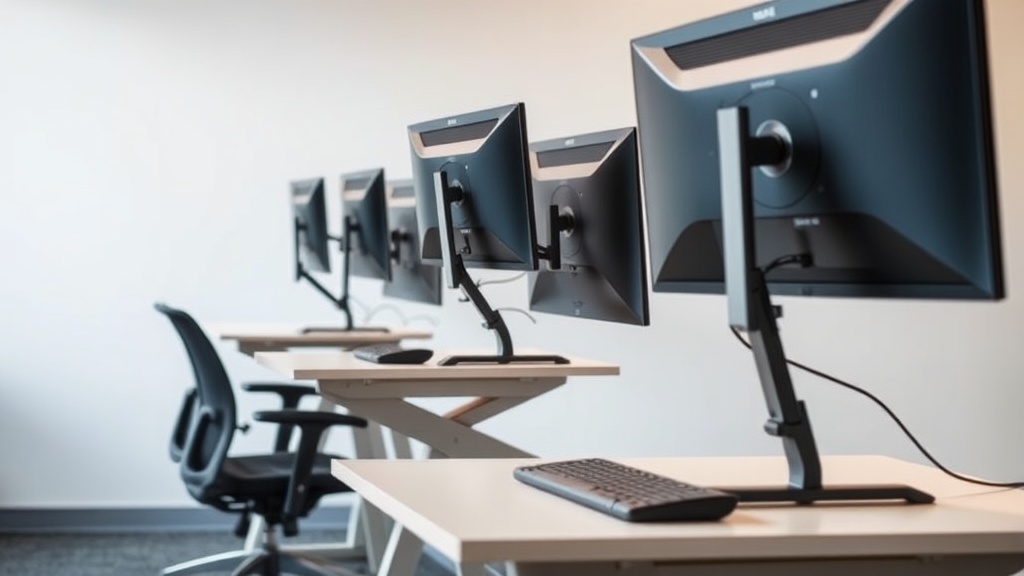
Natural lighting often takes a backseat to ergonomic chairs and standing desks when office wellness is discussed — but neglecting it risks undermining all other efforts. Desk workers spending 8+ hours a day in dim, artificial-lit environments suffer more eyestrain, sleep disruption, and decreased focus. This article breaks down how natural lighting affects workplace wellness and output, outlines the science behind it, and offers practical advice on integrating daylight effectively — not just as a feel-good aesthetic but as a measurable productivity catalyst.
What Is Natural Lighting in the Workplace?
Natural lighting refers to using daylight — sunlight filtered through windows, skylights, or other openings — to illuminate indoor spaces. Unlike artificial lighting (fluorescent, LED, or incandescent bulbs), natural light spans a broader spectrum and shifts in intensity and color temperature throughout the day, mimicking outdoor conditions.
In offices, natural light can vary widely depending on window size, orientation, weather, and time of year. Many modern buildings boast large windows and glass walls to maximize daylight; older buildings or interior offices may get very limited sunlight.
See also: Lighting Design Ideas to Create an Inviting Home Office
How Natural Lighting Affects Wellness and Productivity
1. Circadian Rhythm Regulation
Humans have evolved with a biological clock — the circadian rhythm — that relies on natural light-dark cycles to regulate sleep, hormone release, and alertness. Exposure to blue light in the morning signals the brain to suppress melatonin and increase cortisol, boosting wakefulness and cognitive function.
Artificial lighting, especially in the wrong spectrum or timing, can disrupt this rhythm. Prolonged exposure to dim or yellowish artificial light can lead to daytime fatigue and difficulty falling asleep at night. Conversely, well-managed natural light supports healthier sleep patterns and sustained daytime alertness.
2. Reduced Eyestrain and Headaches
Work requiring focused vision on screens or paperwork is demanding on the eyes. Poor artificial lighting, uneven illumination, or glare cause users to squint or adjust posture awkwardly, leading to eyestrain and headaches. Natural light usually provides more uniform brightness and reduces harsh high-contrast shadows on desks, reducing ocular fatigue, especially when paired with properly adjustable ergonomic seating and desk setups.
3. Enhanced Mood and Lower Stress
Exposure to daylight has been linked to increased serotonin levels, improving mood and reducing stress and anxiety. Bright, naturally lit spaces feel more open and inviting, which can help reduce the claustrophobia or monotony of cubicle workstations. Psychological wellness impacts focus and creativity and can reduce absenteeism.
4. Improved Task Performance and Concentration
Studies show workers in naturally lit spaces often have higher accuracy in detail-oriented tasks and better memory retention. The dynamic spectrum and intensity of daylight can prevent the mental stagnation that sometimes accompanies static artificial lighting.
When to Prioritize Natural Lighting
Natural lighting should be a cornerstone of any office design, but especially when:
- Employees spend 6+ hours/day at their workstations.
- The work involves high visual demand or detailed tasks (e.g., data entry, design).
- The office lacks adjustable ergonomic features like seat depth and lumbar support — good lighting can partially compensate by reducing postural strain linked to poor vision.
- The team reports frequent fatigue, headaches, or mood fluctuations.
Common Pitfalls in Natural Lighting Integration
- Glare and Heat Gain: Large windows can cause direct sun glare on screens or desks, causing discomfort and squinting. Without blinds or UV-filtering films, heat buildup can increase cooling costs and discomfort.
- Inconsistent Light Distribution: Sitting far from windows or in deep-plan offices limits daylight penetration, requiring supplementary artificial lighting.
- Overemphasis on Aesthetics: Sometimes office spaces prioritize “looking bright” without considering light quality or how it interacts with furniture and task areas.
- Neglecting Individual Differences: Some workers are sensitive to brightness or prefer dimmer environments; adjustable task lighting alongside natural light allows personalization.
- Ignoring Seasonal Variation: Daylight hours shorten significantly in winter. Planning only for summer daylight can leave offices poorly lit half the year.
How to Optimize Natural Lighting for Desk Workers
1. Analyze Window Orientation and Size
- South-facing windows provide consistent daylight but risk glare; north-facing offer softer, indirect light.
- Maximize window size but use shading devices (vertical blinds, roller shades) to control direct sun.
- Consider skylights for windowless offices.
2. Position Workstations Strategically
- Arrange desks perpendicular to windows to minimize screen glare and eye strain.
- For deep rooms, use translucent interior glass walls to spread daylight.
3. Combine Daylight with Adjustable Task Lighting
- Provide dimmable, color-temperature adjustable desk lamps.
- Use indirect ceiling lighting that complements daylight for evening or dim days.
4. Utilize Reflective Surfaces and Light Colors
- Light-colored desks, chairs, and walls help bounce daylight deeper into rooms.
- Avoid overly glossy surfaces that cause reflections or hotspots.
5. Incorporate Window Treatments for Flexibility
- Install blinds or films that allow adjustable light control depending on sun angle.
- Automated shading systems can dynamically balance daylight and glare.
6. Monitor and Measure Lighting Levels
- Use light meters or sensors to measure lux levels at different times and locations.
- Target 300-500 lux at work surfaces during daytime for typical desk tasks.
7. Consider Thermal Comfort
- Use UV-filtering coatings to reduce heat gain without blocking visible light.
- Ensure HVAC settings accommodate variable heat loads near windows.
Natural Lighting vs. Artificial Lighting: Workplace Effects
| Feature | Natural Lighting | Artificial Lighting | Implication for Desk Workers |
|---|---|---|---|
| Spectrum | Full spectrum including blue light | Limited spectrum varies by bulb | Natural light supports circadian rhythm better |
| Intensity | Dynamic, varies throughout day | Usually static or manually adjustable | Varying intensity maintains alertness |
| Glare | Can cause glare if unfiltered | Often diffuse, but can cause hotspots | Needs management; natural light glare harder to avoid |
| Color Temperature | Changes with time of day (cool to warm) | Fixed or adjustable depending on fixture | Natural variation aids mood; static light less stimulating |
| Impact on Eyestrain | Lower if well managed | Can cause eyestrain or flicker if poorly designed | Daylight reduces fatigue over extended periods |
| Effect on Mood | Positive, boosts serotonin | Varies greatly, often neutral | Natural light improves workplace satisfaction |
| Energy Consumption | None | Depends on bulb type and usage | Natural light reduces costs if leveraged properly |
Frequently Asked Questions
Q: Can too much natural light negatively affect work comfort?
A: Yes, direct sun can cause glare and raise room temperature, leading to discomfort and reduced productivity. Proper window treatments and layout adjustments mitigate these effects.
Q: Is natural lighting more important than ergonomic furniture?
A: Both matter substantially. Natural lighting supports wellness and focus, but without ergonomic seating and adjustable desks (e.g., seat depth, lumbar support), physical discomfort may persist despite good light.
Q: How can offices ensure consistent lighting throughout the day?
A: Combining natural light with adjustable artificial lighting and using sensors to control light levels prevents dips or excesses, maintaining comfortable illumination for desk work.
Integrating natural lighting in office spaces is not an aesthetic luxury, but foundational for sustained wellness and productivity. True workplace comfort and focus come from measured fit — the right chair, proper desk height, and lighting that respects our biology. Prioritizing daylight thoughtfully, alongside ergonomic principles, sets the stage for healthier, happier, more productive desk workers.