
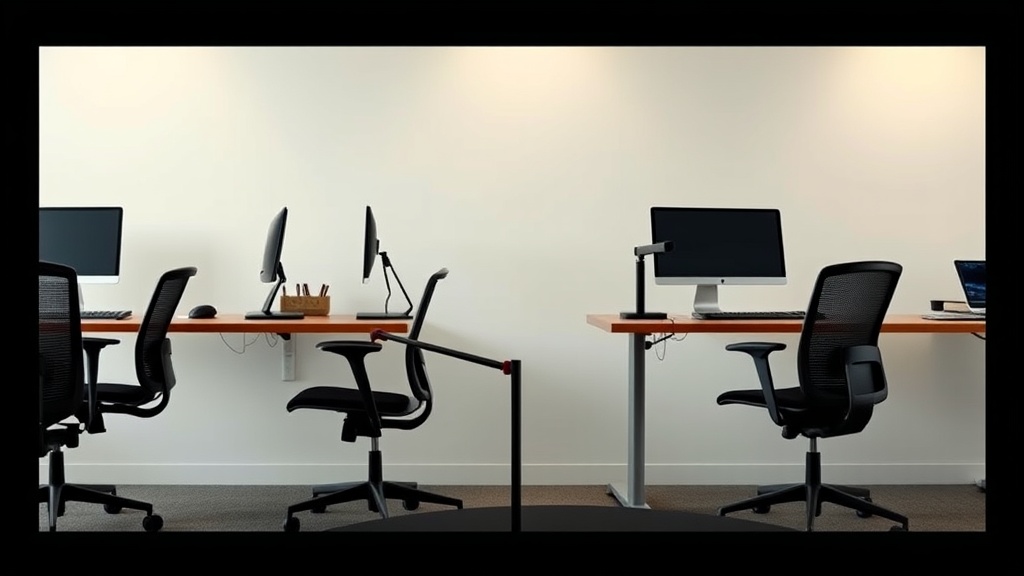
Struggling with eye strain, headaches, or an uncomfortable workspace can often trace back to poor lighting—either too harsh or too dim. For desk workers, the right balance of natural and artificial light isn’t just about visibility; it significantly influences posture, alertness, and long-term comfort. This guide explains how to combine natural and artificial lighting ergonomically, blending both toward healthier, more productive work hours.
What It Is: Ergonomic Lighting
Ergonomics in lighting refers to adjusting and balancing light sources to optimize comfort and efficiency while minimizing strain. Unlike simply ensuring there’s “enough light,” ergonomic lighting considers:
- Glare reduction to avoid squinting or harsh reflections
- Even distribution to prevent heavy shadows on your workspace
- Correct color temperature and intensity suited to tasks
- Positioning to support healthy posture and reduce neck or eye strain
Natural light offers full-spectrum illumination and biological benefits but varies unpredictably. Artificial lighting provides consistency and control but can fall short on quality and cause flicker or glare issues. Smartly combining both can create an ideal environment for desk work.
See also: Optimal Lighting Solutions to Enhance Workspace Productivity
How It Works: Key Principles of Combining Natural and Artificial Lighting
-
Maximize Daylight Without Direct Glare
Use natural light as your primary source when possible—near windows or skylights—but avoid direct rays hitting your screen or eyes. Position desks perpendicular (not parallel) to windows or invest in adjustable blinds and sheer curtains to diffuse intense sunlight. -
Supplement with Adjustable Artificial Light
Overhead lights set overall room illumination, but a well-placed desk lamp with adjustable brightness and color temperature lets you fine-tune lighting as outdoor conditions change. LED lamps with dimming and warm-to-cool light settings are excellent for matching natural light cycles. -
Consider Color Temperature and Flicker
Natural daylight ranges roughly 5000K-6500K (cool white), promoting alertness. Artificial lights around 4000K (neutral white) reduce blue light exposure in the evening, supporting circadian rhythms. Avoid poorly made bulbs with flicker or uneven color, which can increase fatigue. -
Use Task Lighting to Reduce Shadows
Natural light alone can create harsh shadows depending on the sun’s angle. An adjustable task lamp positioned opposite your dominant hand reduces shadows when writing or keyboarding, minimizing unnecessary eye strain or awkward postures caused by leaning closer. -
Account for Reflective Surfaces and Screen Position
Reflective desks, glossy screens, or light-colored walls can bounce light unpredictably. Adjust angle and distance of both natural and artificial sources to avoid glare spots. Anti-glare screen protectors or matte finishes on desks help too.
When to Use Natural and Artificial Lighting
| Scenario | Recommended Lighting Setup | Notes |
|---|---|---|
| Bright mid-morning to mid-afternoon | Prioritize natural light, use sheer blinds to soften direct sunlight | Supplement with low-level overhead/artificial lighting as needed |
| Overcast or dim days | Increase artificial lighting intensity; use daylight-balanced bulbs | Avoid overly warm lights that reduce alertness |
| Evening or nighttime work | Shift to warmer artificial light (~2700-4000K) to reduce blue light exposure | Use task lighting to focus on your work surface |
| High-glare window reflections | Close blinds partially, position desk perpendicular to windows, add adjustable desk lamp | Consider anti-glare screens |
| Work involving color accuracy | Combine bright neutral artificial lights with natural daylight | Avoid colored lighting or bulbs with low CRI (color rendering index) |
Common Pitfalls and How to Avoid Them
-
Ignoring Seat Depth and Posture in Relation to Lighting:
A desk too deep or too shallow means you may lean forward or back to find the right light angle, which strains your back and neck. Aim for ergonomic seat depth (typically between 16-18 inches) and lumbar support adjustments to maintain natural posture while working with your chosen light sources. -
Overreliance on Overhead Lighting Alone:
Overhead lights can produce heavy shadows under your hands or face, causing you to squint or reposition. Complement with adjustable, 4D armrest-friendly task lamps that move up/down, in/out, forward/backward, and rotate for maximum reachability without forcing awkward angles. -
Setting Artificial Lights Too Bright or Cool:
It might seem logical to crank brightness on cloudy days, but very bright or harsh cool-white bulbs can disrupt your circadian rhythm and cause visual fatigue after long hours. Use dimmers and adjust color temperature to mimic daylight patterns smoothly. -
Not Considering Reflection and Glare Sources:
Windows, glossy monitor surfaces, and polished desks reflect light unpredictably. Before finalizing setup, perform a simple glare test: sit in your chair at different times and note any sharp reflections causing you to squint or reposition repeatedly.
Practical Tips for Ergonomic Lighting Integration
-
Measure Your Workspace Lighting
Use a lux meter app or device to measure natural and artificial light levels throughout the day. Target around 300-500 lux for general office work, increasing to 500-1000 lux for detail tasks like reading or data entry. -
Adjust Your Desk and Chair Position
Position the desk so your line of sight avoids direct window glare, and your chair supports your lumbar region with 4D adjustable armrests that move fully to support elbows even when task lamps shift. -
Invest in Quality Adjustable Lighting
Choose LED lamps with color temperature tunability, dimming controls, and flicker-free technology. Task lighting should allow for precise angling to reduce shadows on paperwork or keyboards. -
Use Window Treatments Strategically
Blinds, curtains, or films play a huge ergonomic role by diffusing harsh light without blocking beneficial daylight. Opt for adjustable, breathable materials rather than heavy drapes. -
Monitor for Symptoms and Adjust Regularly
Even optimal setups may require tweaks. Watch for eye strain, headaches, neck tension, or fatigue after a few days working in the same lighting condition and adjust color temperature, brightness, or desk orientation accordingly.
Comparison Table: Natural vs Artificial Light in an Ergonomic Workspace
| Feature | Natural Light | Artificial Light | Best Practice Combining Both |
|---|---|---|---|
| Color Spectrum | Full spectrum, beneficial for mood | Varies by bulb; some less natural | Use natural daylight primarily; supplement with adjustable neutral-to-warm LED bulbs |
| Variability | Changes with weather, time of day | Consistent brightness and color | Adapt artificial lighting settings throughout the day to complement natural changes |
| Glare Risk | High risk if direct sunlight hits eyes or screen | Lower risk if adjustable fixtures | Position desk perpendicular to windows; use diffusers, curtains, or adjustable lamps |
| Brightness Level | Typically high but fluctuates | Usually controllable via dimmers | Monitor overall lux levels, blend sources to maintain consistent, comfortable light |
| Impact on Circadian Rhythm | Supports natural rhythms well | Blue light from cool bulbs can disrupt | Use warmer tones after 4 PM, daylight-like intensity midday |
| Shadow Control | Can create heavy shadows depending on angle | Can be positioned for optimal shadow control | Use adjustable task lighting to eliminate shadows caused by natural light angle |
By understanding how natural and artificial lighting affect your work comfort and combining them thoughtfully, you dramatically improve the ergonomic quality of your home or office workspace.
Frequently Asked Questions
Q: What color temperature should my desk lamp have for ergonomic lighting?
A: For daytime, choose cool to neutral white light around 4000-5000K to support alertness. In the evening, switch to warmer tones (2700K-3500K) to reduce blue light exposure that can hinder sleep quality.
Q: How can I minimize glare from windows without losing natural light?
A: Position your desk perpendicular to windows and use sheer curtains or adjustable blinds to diffuse direct sunlight. Anti-glare screen protectors also help reduce reflections on monitors.
Q: Is overhead lighting enough for long desk work sessions?
A: No, overhead lighting often creates shadows and lacks flexibility. Adding an adjustable task lamp with 4D armrest-compatible movement provides focused, customizable light that reduces eye strain and supports ergonomic posture.
Related reading
- Optimal Lighting Solutions to Enhance Workspace Productivity
- Creating a Balanced Lighting Scheme for Video Calls
- Adjustable Lighting Solutions for a Comfortable Home Office
- Impact of Natural Lighting on Workplace Wellness and Output
- Daylight-Mimicking Desk Lamps to Improve Mood and Alertness
Our picks worth a closer look
- 750lbs Big and Tall Office Chair with Wide Thick Seat Cushion,Ergonomic Mesh OffCheck on Amazon → — see current price and specs.
- NOUHAUS +Posture Ergonomic Rolling Office ChairCheck on Amazon → — see current price and specs.
- Autonomous ErgoChair Pro Ergonomic Office ChairCheck on Amazon → — see current price and specs.
- Big and Tall Office Desk Chair 500lbs, Ergonomic Heavy Duty Mesh Desk Chair, ExeCheck on Amazon → — see current price and specs.
- Ergonomic Office Chair, High Back Desk Chair with Flip-up Arms, 300 LBS Mesh ComCheck on Amazon → — see current price and specs.