
How LED Desk Lighting Can Reduce Eye Strain During Work

By Nate Frost · Senior Editor
Published May 12, 2026 · Last reviewed May 12, 2026
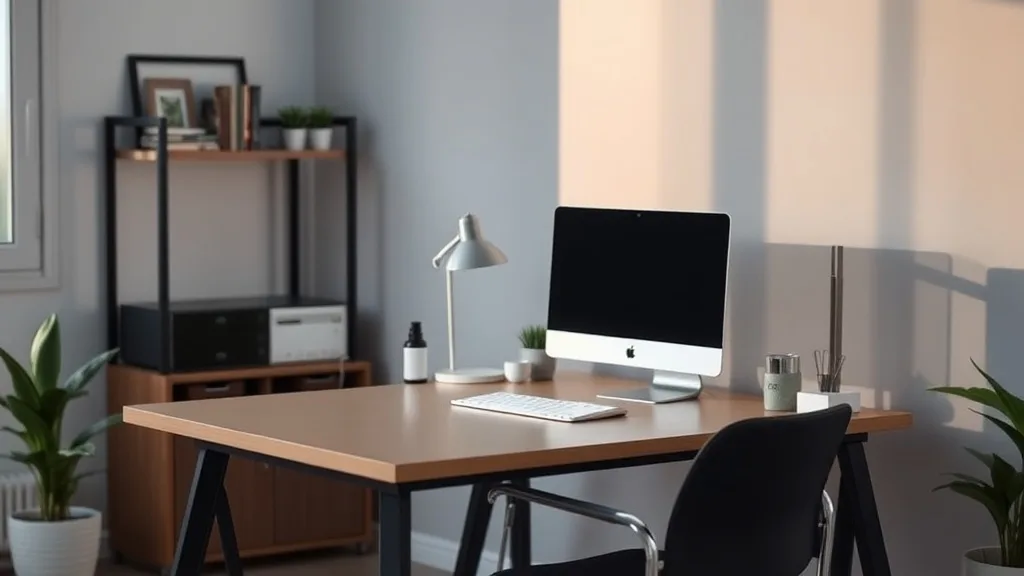
Many desk workers experience persistent eye strain after long hours of staring at screens or paperwork, especially in poorly lit environments. This discomfort often stems from inadequate lighting solutions that fail to accommodate the eye’s needs during extended work sessions. LED desk lighting can be a powerful tool in reducing eye strain, but only when carefully selected and used correctly to complement your workspace ergonomics.
What LED Desk Lighting Is
LED desk lighting refers to task lights using light-emitting diodes (LEDs) designed specifically for desks or work surfaces. Unlike traditional incandescent or fluorescent bulbs, LEDs produce light more efficiently, with less heat, and offer greater control over brightness and color temperature. Good LED desk lights provide focused, adjustable illumination directly onto your work area, which helps reduce eye fatigue by minimizing glare, enhancing contrast, and maintaining consistent light levels during long work hours.
See also: Setting Up Lighting to Reduce Glare on Computer Screens
How LED Desk Lighting Works to Reduce Eye Strain
Eye strain usually arises from a combination of factors: insufficient or excessive lighting, glare, poor contrast, and the extended focus required for close-up tasks. LED desk lamps address these by:
- Adjustable Brightness: Many LED desk lights include dimming features to tailor light intensity to ambient conditions, reducing the need for your eyes to constantly adapt to changing light levels.
- Color Temperature Control: The ability to switch between warmer (2700-3500K) and cooler (4000-6000K) light helps match natural daylight cycles or specific vision needs, supporting eye comfort across different times of day.
- Directional Lighting: LED lamps typically have adjustable arms and heads allowing you to position the light precisely where you need it, avoiding shadows and minimizing glare on screens or documents.
- Uniform Illumination: LEDs provide a steady glow without flicker, which is a common cause of visual fatigue with older fluorescent lights.
- Reduced Blue Light Hazard: Certain LED desk lights offer blue light filters or selectable warmer settings to lower blue light exposure, which can disrupt circadian rhythms and exacerbate eye strain over long sessions.
When to Use LED Desk Lighting
LED desk lighting is especially beneficial for desk-bound professionals who:
- Spend 6+ hours daily on screens or detailed paperwork.
- Work in rooms with poor natural light or overhead lighting that causes harsh shadows and glare.
- Prefer customizable lighting that supports different tasks like reading, typing, sketching, or video calls.
- Experience frequent eye fatigue, dryness, headaches, or difficulty focusing during or after work hours.
By integrating LED desk lighting into your workstation, you create a more comfortable visual environment that supports sustained focus and reduces the physical toll of long workdays.
How to Choose the Right LED Desk Lighting for Your Desk Setup
The effectiveness of LED desk lighting depends heavily on its fit with your workspace and individual needs. Consider the following factors to select the right model:
-
Brightness Range and Adjustability
Look for lights with a wide lumen range (400-1000 lumens is typical) and smooth dimmability so you can fine-tune illumination according to ambient light changes and task demands. -
Color Temperature Options
Choose a lamp that offers a range of color temperatures, ideally from ~2700K (warm) to ~6000K (cool). Warmer light tends to be more relaxing in the evening, while cooler light improves focus during the day. -
Adjustable Arm and Head (4D Movement)
A lamp that allows height, tilt, swivel, and rotation lets you direct light precisely onto your work area, reducing glare on your screen and shadows on your desk. -
Non-Flickering and Glare Control Technology
Verify manufacturer claims or reviews regarding flicker-free operation and diffuse light emission to minimize eye strain. -
Desk Space and Mounting
Consider whether the lamp’s base fits your desk surface or if you need a clamp-mounted design to save space. A weighted, stable base prevents accidental tipping. -
Compatibility with Your Setup
For desks with adjustable height or a lot of movement, the lamp should be flexible enough to maintain optimal lighting without needing frequent repositioning.
Practical Comparison: LED Desk Light Features and Impact on Eye Strain
| Feature | Basic LED Desk Lamp | Advanced LED Desk Lamp with 4D Arm and Color Temp Control | Impact on Eye Strain |
|---|---|---|---|
| Brightness Adjustability | Limited (often few steps) | Continuous dimming | Smoother adaptation to ambient light reduces fatigue |
| Color Temperature Options | Usually fixed (cool or warm) | Multiple presets or continuous | Tailors light to time of day for comfort |
| Arm Movement | Fixed or 1–2 axes | Full 4D movement (height, tilt, swivel, rotation) | Precise lighting direction minimizes glare and strain |
| Flicker-Free Technology | Sometimes lacks verification | Verified flicker-free LED driver | Reduces visual disruption and headaches |
| Desk Mounting Options | Usually weighted base | Base or clamp options | Better positioning, saves desk space |
| Price | Lower cost | Higher cost | Investment in adjustable lighting yields comfort gains |
Common Pitfalls to Avoid When Using LED Desk Lighting
- Relying on Brightness Alone: Too bright or too dim lighting worsens eye strain; aim for balance and adjust as needed.
- Ignoring Color Temperature: Constant exposure to high (bluish) temperatures can cause discomfort and sleep disturbances.
- Poor Lamp Positioning: Light shining directly into your eyes or reflecting off screens causes glare; experiment with lamp placement and angle.
- Neglecting Overall Room Lighting: Desk lamps complement but should not fully replace ambient lighting; ensure your room has balanced illumination to reduce contrast extremes.
- Overlooking Seat and Desk Ergonomics: Lighting alone can’t fix eye strain; proper monitor distance, seat height, and chair support are crucial.
Conclusion
A well-chosen LED desk lamp with adjustable brightness, color temperature, and flexible positioning can markedly reduce eye strain by creating a tailored lighting environment suited for intensive desk work. While LED lighting technology offers benefits like flicker-free steady illumination and energy efficiency, its full potential is realized only when integrated thoughtfully into an ergonomically sound workspace. Pay close attention to the fit of the lamp to your work patterns and desk setup to maximize comfort and productivity throughout your 8+ hour workdays.
Frequently Asked Questions
Q: Can LED desk lighting completely eliminate eye strain?
A: No lighting alone can fully prevent eye strain, but properly designed LED desk lighting significantly reduces contributing factors. Combining it with ergonomic posture, regular breaks, and screen adjustments is key.
Q: What color temperature is best for evening desk work?
A: Warm light (around 2700-3500K) is recommended for evening use because it reduces blue light exposure that can interfere with sleep and causes less eye fatigue at night.
Q: Is a clamp-mounted LED desk lamp better than one with a weighted base?
A: Clamp-mounted lamps save desk space and offer flexible positioning, which is usually better for ergonomic setups. Weighted bases can be convenient for portability but may take up more surface area and be less adjustable.