
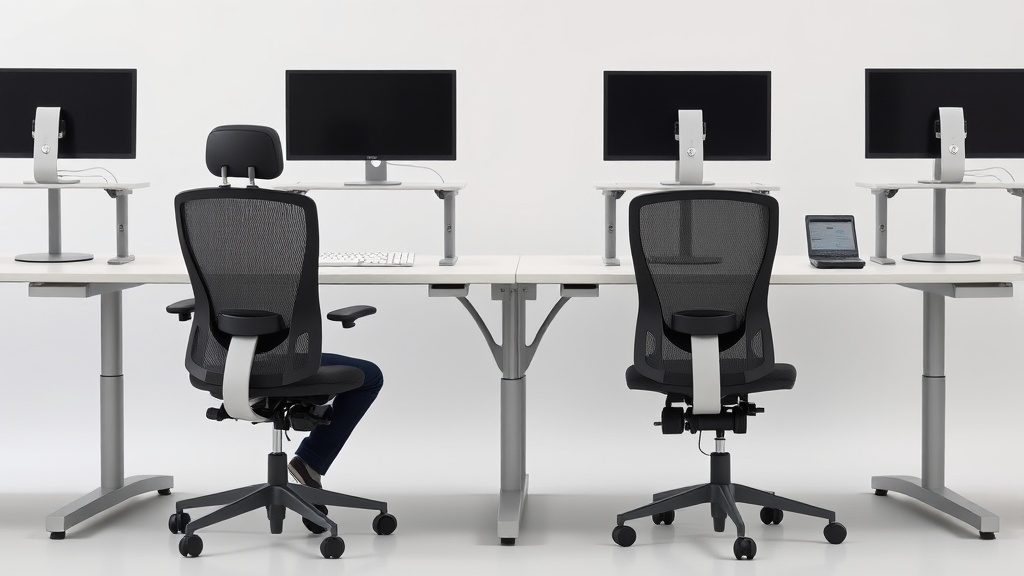
Sciatica and hip pain are common complaints among desk workers who spend long hours sitting, often leading to discomfort, reduced productivity, and even chronic conditions. Finding the right chair to support proper posture and reduce pressure on sensitive areas is crucial. Chairwise chairs are designed with adjustable ergonomic features that specifically address these issues. This article explores how these chairs help alleviate sciatica and hip pain through elements like measured fit, pressure mapping, and realistic use considerations beyond marketing claims.
What Is Sciatica and Hip Pain in Desk Workers?
Sciatica refers to pain radiating along the sciatic nerve, which runs from the lower back down the hips, buttocks, and legs. It is commonly caused or aggravated by prolonged sitting that compresses the nerve or irritates surrounding tissues.
Hip pain often accompanies sciatica or arises independently due to poor support, incorrect seat depth, or uneven pressure distribution. Both conditions can worsen after long hours in an ill-fitting chair that fails to support natural spinal curvature and hip alignment.
Desk workers are particularly vulnerable because sedentary work typically involves:
- Sitting for 6-8 hours or more daily
- Chairs with fixed dimensions or minimal adjustability
- Poor lumbar and hip support
- Armrests that do not accommodate natural arm positioning
Without a chair that fits well and adapts to individual body shapes, pain can escalate, affecting comfort and concentration.
See also: Choosing Chairwise Chairs to Prevent Neck and Shoulder Pain
How Chairwise Chairs Address Sciatica and Hip Pain
Chairwise chairs focus on three critical ergonomic factors known to impact sciatica and hip pain:
1. Measured Fit for Seat Depth and Width
Seat depth and width significantly influence how pressure is distributed in the hips and thighs. A seat that is too deep pushes the user forward, increasing pressure on the buttocks, which can compress the sciatic nerve. Conversely, a seat too shallow forces users to sit with poor posture or slouch.
Chairwise chairs offer chairs with adjustable or optimized seat depths, allowing users to sit with:
- Thighs well-supported along the entire seat
- A 2-4 inch gap between the back of knees and seat edge, promoting blood flow
- Even pressure distribution that reduces hotspots near the sciatic nerve
This customization reduces nerve compression and hip joint strain.
2. Lumbar Adjustability Range
Lumbar support is essential for maintaining the natural inward curve of the lower spine, which relieves pressure on the sciatic nerve roots. Chairwise models provide lumbar adjustments not only in height but also in depth or firmness. This allows:
- Proper alignment of the lower spine with the chair’s backing
- Avoidance of excessive lumbar pressure that can push nerves
- Support tailored for different body sizes and spinal shapes
Compared to fixed lumbar supports, this versatility better prevents or reduces sciatica flare-ups.
3. 4D Armrest Travel
Proper armrest positioning also impacts hip and sciatic comfort indirectly. Armrests that are too high or too low alter shoulder and torso posture, causing twisting or leaning that stresses hips and lower spine.
Chairwise chairs feature 4D armrests that move:
- Up and down (height)
- Forward and backward (depth)
- Side to side (width)
- Rotate or pivot (angle)
This full range of motion enables users to maintain natural arm and shoulder alignment, which supports overall spine posture and reduces compensatory hip strain.
4. Pressure Mapping and Material Choices
Chairwise uses pressure-mapping data in design and component selection. This means areas prone to high pressure around the ischial tuberosities (sit bones) and hips are cushioned appropriately to:
- Reduce localized pressure that irritates nerves and joints
- Improve blood flow to soft tissues
- Provide a firm but comfortable sitting surface that avoids bottoming out
Ergonomic foam and mesh materials combine to adjust to body contours while preventing excessive heat or moisture, enhancing long-term comfort.
When To Use Chairwise Chairs for Sciatica and Hip Pain Relief
People typically benefit from Chairwise ergonomic chairs when:
- Regular complaints of numbness, tingling, or pain radiating down legs
- Chronic or recurrent hip pain linked to prolonged sitting
- Desk setups lacking adjustable chairs or featuring older, non-ergonomic models
- Postural fatigue or discomfort within a couple of hours of sitting
Using a Chairwise chair as part of a broader routine — including breaks, movement, and stretches — can significantly reduce reliance on medication or invasive treatments.
Common Pitfalls When Choosing Chairs for Sciatica and Hip Pain
Even high-end ergonomic chairs can miss the mark if key user factors are neglected:
| Pitfall | Description | Consequence | How Chairwise Avoids It |
|---|---|---|---|
| Poor seat depth match | Buying chairs without seat depth adjustability or proper sizing | Increased sciatic nerve compression and hip strain | Offers measured fit options and adjustable seats |
| Fixed lumbar support | Lumbar support only in one position or firmness | Pressure points, insufficient support | Multi-dimensional lumbar adjustability |
| Limited armrest movement | Armrests allow only height adjustment | Shoulder strain, compensatory hip twisting | True 4D armrests (height, depth, width, pivot) |
| Marketing vs reality | Copy focuses on features not felt after 8-hour use | Disappointment, continued pain | Emphasis on pressure mapping and real-user testing |
| Neglecting pressure distribution | Using foam that’s too soft or flat | Bottoming out, poor circulation | Use of layered ergonomic materials validated by mapping |
Comparing Chairwise Chairs to Generic Office Chairs for Sciatica and Hip Pain
| Feature | Chairwise Chairs | Generic Office Chairs | Best For |
|---|---|---|---|
| Seat Depth Adjustability | Adjustable or offered in multiple measured depths | Often fixed and generic sizes | Users needing tailored thigh and buttock support |
| Lumbar Support Range | Multi-axis adjustment (height and firmness) | Fixed lumbar or no support | Spinal curvature support |
| Armrest Movement | 4D (height, depth, width, pivot) | Typically just height adjustable | Reducing shoulder/hip compensation |
| Pressure Mapping Validation | Used to inform cushion design and materials | Rarely used | Realistic pressure relief |
| User Comfort After 8 Hours | Designed for sustained all-day sitting | Usually designed for short-term use | Long shifts or heavy desk work |
While generic office chairs may meet basic needs, Chairwise chairs focus on validated ergonomic features tailored to reduce nerve and joint compression common in sciatica and hip pain, making them more suitable for prolonged use.
Summary
Sciatica and hip pain from long hours of sitting are multifactorial problems that hinge on how a chair supports your body’s anatomy hour after hour. Chairwise chairs tackle this issue through adjustable seat depth for a measured fit, versatile lumbar support to maintain spinal curves, and fully adjustable 4D armrests to ensure neutral postures. Their use of pressure mapping to optimize cushioning further reduces hotspots that can trigger nerve irritation or joint pain.
Choosing the right ergonomic chair means looking past marketing buzz and testing features that truly affect how you feel after a full workday. Chairwise chairs represent a practical, data-driven approach to help desk workers sit better, stay comfortable, and reduce pain related to sciatica and hips.
Frequently Asked Questions
Q: How important is seat depth for preventing sciatica pain?
A: Very important. Proper seat depth supports the thighs fully without putting pressure behind the knees or on the sciatic nerve, which reduces nerve compression and improves circulation.
Q: Can armrest adjustments really impact hip and sciatic pain?
A: Yes. Poor armrest positioning alters your sitting posture, often causing twisting or leaning that places extra strain on hips and the lower back, potentially worsening pain.
Q: Why should I trust pressure mapping data when choosing a chair?
A: Pressure mapping provides objective insight into how weight and pressure distribute across your seating surface. This helps identify and mitigate pressure points that cause discomfort or nerve compression over long sitting periods.
Related reading
- Choosing Chairwise Chairs to Prevent Neck and Shoulder Pain
- 37. Lower back pain at your desk: the three fixes that work
- Tips for Setting Up an Ergonomic Workspace with Chairwise Products
- Ergonomic Chair Features That Support Spinal Health
- 9. Kneeling chairs: the physical therapy take
Our picks worth a closer look
- JIPORIER Lumbar Support Pillow for Office Chair,Seat Cushion with Back Support,OCheck on Amazon → — see current price and specs.
- 750lbs Big and Tall Office Chair with Wide Thick Seat Cushion,Ergonomic Mesh OffCheck on Amazon → — see current price and specs.
- NOUHAUS +Posture Ergonomic Rolling Office ChairCheck on Amazon → — see current price and specs.
- Autonomous ErgoChair Pro Ergonomic Office ChairCheck on Amazon → — see current price and specs.
- Big and Tall Office Desk Chair 500lbs, Ergonomic Heavy Duty Mesh Desk Chair, ExeCheck on Amazon → — see current price and specs.