
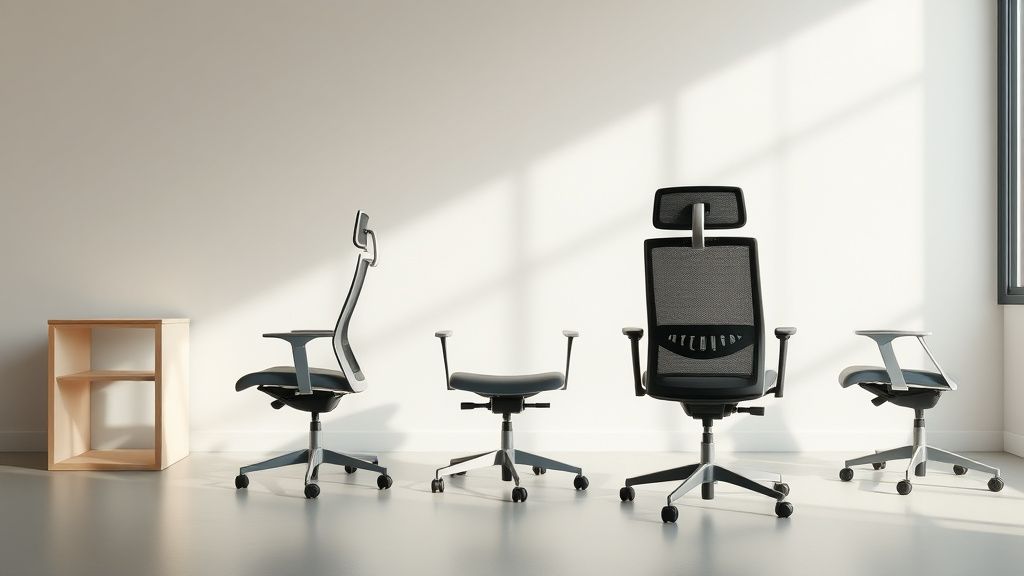
Understanding Ergonomic Office Chairs
Ergonomic office chairs are designed to support your body’s natural posture, reduce strain, and prevent long-term discomfort, particularly in the lower back. Unlike traditional chairs, ergonomic models are adjustable, allowing you to customize the fit to your body’s unique needs. They are essential for anyone who spends long hours seated at a desk, as they promote proper alignment and reduce the risk of musculoskeletal issues.
Key Features of Ergonomic Chairs
When shopping for an ergonomic office chair, focus on the following features to ensure maximum comfort and support:
Lumbar Support
Proper lumbar support is crucial for maintaining the natural curve of your spine. Look for chairs with adjustable lumbar pads or built-in support that can be tailored to your lower back’s shape. Some chairs even offer dynamic lumbar support, which moves with you as you shift positions.
Seat Depth and Width
The seat should be wide enough to comfortably accommodate your hips and thighs, with a depth that allows you to sit with your back against the chair while leaving a few inches between the edge of the seat and the back of your knees. Adjustable seat depth is a valuable feature for achieving the perfect fit.
Adjustable Armrests
Armrests should be height-adjustable and positioned to support your forearms without causing your shoulders to hunch. Some chairs also offer adjustable width or pivoting armrests to accommodate different body types and desk setups.
Seat Height Adjustment
A chair with pneumatic height adjustment allows you to set the seat at a level where your feet rest flat on the floor and your knees form a 90-degree angle. This feature is essential for maintaining proper posture and preventing leg discomfort.
Backrest Recline and Tilt
A reclining backrest encourages movement and reduces pressure on your spine. Look for chairs with a tilt mechanism that allows you to lock the backrest at different angles or provides tension control for smooth reclining.
Headrest
If you frequently lean back in your chair, a headrest can provide additional neck support. Adjustable headrests are ideal for ensuring proper alignment with your head and neck.
Seat Material
Breathable materials like mesh are excellent for preventing overheating, while cushioned seats provide extra comfort. Consider your climate and personal preferences when choosing the material.
Types of Ergonomic Chairs
Ergonomic chairs come in various designs, each suited to different needs and preferences:
Task Chairs
Task chairs are lightweight and versatile, designed for general office use. They typically feature basic ergonomic adjustments, making them a practical choice for those who need a comfortable chair without excessive customization.
Executive Chairs
Executive chairs are larger and more padded, often made with premium materials like leather. They are ideal for those who want a chair that combines ergonomic support with a professional appearance.
Kneeling Chairs
Kneeling chairs encourage an open hip angle, which can reduce pressure on the lower back. They are a good option for those looking to improve posture but may not be suitable for extended periods of sitting.
Saddle Chairs
Saddle chairs mimic the shape of a horse saddle, promoting a natural pelvic tilt and encouraging an upright posture. They are often used in healthcare or laboratory settings.
Ball Chairs
Exercise ball chairs or stability ball chairs engage your core muscles and promote movement. While they can be beneficial for short-term use, they may not provide adequate support for prolonged sitting.
Mesh Chairs
Mesh chairs are lightweight and breathable, making them ideal for warm climates or individuals who tend to overheat. The mesh material contours to your body while providing airflow.
What to Look for in an Ergonomic Chair
When selecting an ergonomic chair, consider the following factors to ensure it meets your needs:
- Adjustability: The more adjustable the chair, the better it can be tailored to your body. Prioritize chairs with lumbar support, seat height, and armrest adjustments.
- Comfort: Test the chair’s cushioning and material to ensure it feels comfortable for extended periods.
- Support: Look for chairs that promote proper spinal alignment and reduce pressure on your lower back.
- Durability: Choose a chair made from high-quality materials that can withstand daily use.
- Warranty: A good warranty is a sign of a reliable product. Look for chairs with at least a 5-year warranty.
Tips for Using Your Ergonomic Chair Effectively
Even the best ergonomic chair won’t provide relief if used incorrectly. Follow these tips to maximize its benefits:
- Adjust the chair to fit your body, ensuring your feet are flat on the floor and your arms rest comfortably on the desk.
- Sit with your back against the chair’s backrest to maintain proper lumbar support.
- Take regular breaks to stand, stretch, and walk around to prevent stiffness.
- Avoid slouching or leaning forward for extended periods.
Conclusion
Investing in an ergonomic office chair is a proactive step toward alleviating back pain and improving your overall posture. By understanding the key features and types of chairs available, you can find a model that suits your needs and enhances your workday comfort. Remember to prioritize adjustability, support, and durability when making your selection, and use the chair correctly to reap the full benefits. With the right ergonomic chair, you can transform your workspace into a haven of comfort and productivity.
Our picks worth a closer look
- Ergonomic Office Chair for Long Hours Sitting – Back & Neck Pain Relief, AdjustaCheck on Amazon → — see current price and specs.
- Ergonomic Office Chair, High Back Desk Chair with Flip-up Arms, 300 LBS Mesh ComCheck on Amazon → — see current price and specs.
- JIPORIER Lumbar Support Pillow for Office Chair,Seat Cushion with Back Support,OCheck on Amazon → — see current price and specs.
- Nexthro Ergonomic Office Chair,Mesh Office Chair with Lumbar Support,High Back DCheck on Amazon → — see current price and specs.
- QLTPLUS Office Desk Chair for Long Hours & Back Pain Relief – 4“ Thick Molded FoCheck on Amazon → — see current price and specs.