
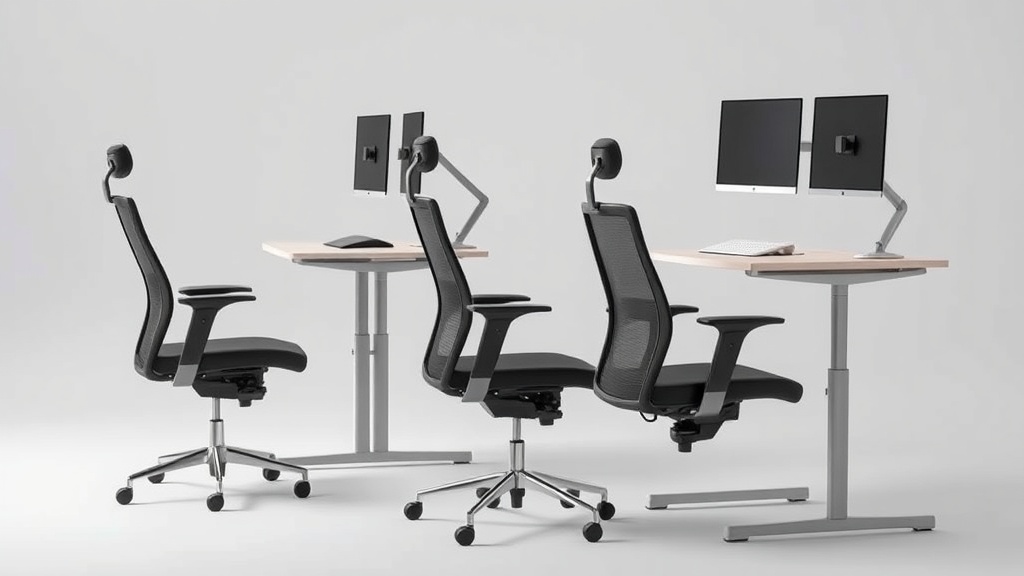
Finding an office chair that stays comfortable through long hours at your desk often hinges on two key material qualities: breathability and durability. Many ergonomic chairs promise comfort, but if the materials don’t allow airflow, you can quickly get hot and sticky, leading to discomfort and distraction. Meanwhile, durability ensures your investment lasts without sagging or tearing, preserving ergonomic support over years of use. This article helps desk workers understand which chair materials balance breathability and durability, making it easier to choose an office chair that truly performs for 8+ hours daily.
What Is Breathability and Durability in Office Chair Materials?
Breathability refers to how well a material allows air to circulate through it, helping to dissipate heat and moisture. Materials with high breathability keep your seat feeling cooler and less sweaty, a critical factor when you’re sitting all day.
Durability measures how well a material resists wear and tear from daily use, including stretching, tearing, pilling, color fading, and loss of shape or support. Durable materials sustain ergonomic benefits longer and need fewer repairs or replacements.
Finding a chair that optimizes both means thinking beyond marketing terms like “soft fabric” or “premium leather.” You want materials that contribute to long-term comfort while providing resilient support for your body shape and movements.
See also: 7. The best budget ergonomic chair under 250 dollars across six body types
How Breathability and Durability Work Together in Chair Materials
Some materials offer great breathability but lack durability, while others are extremely tough but trap heat against your skin. Understanding the common office chair fabrics and surfaces highlights these trade-offs:
- Mesh: Constructed from woven synthetic fibers, mesh is highly breathable due to its open structure, allowing air to flow directly to your back. However, mesh durability varies; high-quality mesh resists sagging and tearing, but cheaper mesh can become loose or develop snags.
- Leather (and Faux Leather): Leather is known for its durability and classic look but tends to be less breathable, especially in warmer climates or poorly ventilated rooms. Synthetic leathers might be easier to clean but often sacrifice breathability and long-term durability.
- Fabric Upholstery: Woven fabrics generally offer moderate breathability and varying durability depending on fiber type, weave, and treatment. Natural fibers like wool blend can feel breathable but may wear faster unless treated; polyester blends tend to be durable but less breathable.
- Vinyl and Plastic Surfaces: Sometimes used on armrests or seat covers, these materials are durable and easy to clean but provide very little breathability, often causing heat buildup on contact points.
The best ergonomic chair materials balance these factors intelligently—choosing high-quality mesh or a specialized fabric with tightweave breathability and stretch resistance, combined with reinforced frames and padding that retain shape under prolonged use.
When To Focus More on Breathability vs Durability
-
Focus More on Breathability If:
- You tend to sweat easily or work in warm environments.
- You sit for long hours without breaks.
- You prefer a cooler seating experience to prevent discomfort.
-
Focus More on Durability If:
- You want your chair to last many years without major repairs.
- You expect frequent use from multiple people or in a high-traffic office.
- You prefer a firmer surface that won’t sag or deform with time.
For office workers logging extended hours daily, often a balance is best: breathable materials with proven fiber resiliency, reinforced edges, and quality padding maintain comfort and support over time.
Key Material Features for Ergonomic Fit and Comfort
Ergonomics isn’t just about the chair shape; the materials themselves affect fit:
- Seat Depth and Material Stretch: Materials that stretch too much under body weight can alter the effective seat depth, reducing support for your thighs and risking strain. Durable but slightly elastic mesh or fabric prevents excessive stretch.
- Lumbar Support and Material Stiffness: Materials behind lumbar supports should provide a firm base without being harsh, allowing the adjusters to work correctly. Oversoft materials can reduce lumbar support effectiveness.
- Armrest Material and Travel (4D Adjustability): Armrest surfaces with breathable padding reduce sweating where contact is constant, while durable plastics or urethane coatings guard against wear from frequent adjustments.
When material quality complements ergonomic adjustability, the chair can be tuned precisely to your body shape for comfortable all-day use.
Comparison Table: Common Office Chair Materials and Their Properties
| Material | Breathability | Durability | Comfort Level | Best For | Common Downside |
|---|---|---|---|---|---|
| High-Quality Mesh | Excellent | Good | Firm, cool | Long hours, warm environments | Potential sagging if low quality |
| Genuine Leather | Poor to moderate | Excellent | Plush, firm | Executive style, durability | Heat retention, cost |
| Faux Leather | Poor | Moderate | Soft, smooth | Easy cleaning, budget options | Low breathability, can crack over time |
| Polyester Fabric | Moderate | Good to excellent | Soft, moderate warmth | Balanced durability/comfort | Can pill or stain |
| Wool Blends | Excellent | Moderate | Soft, warm | Breathability & softness | Higher cost, potential fading |
| Vinyl / Plastic | Very poor | Excellent | Hard, no breathability | Easy cleaning, armrests | Heat retention, discomfort |
Common Pitfalls to Avoid When Choosing Chair Materials
- Trusting Marketing Buzzwords Without Testing: Terms like “premium breathable fabric” often lack specifics. Sit in the chair and assess airflow and material feel yourself.
- Ignoring Material Interaction with Chair Design: Even a breathable fabric won’t help if padding traps heat underneath. Look for chairs with pressure-mapped cushions designed for ventilation.
- Selecting Materials Without Considering Your Work Environment: If your office is cold, lack of breathability might actually feel good; if hot, it’s a dealbreaker.
- Overlooking Replacement and Maintenance: Durable materials often require less care but knowing cleanability options will extend your chair’s life.
- Neglecting Ergonomic Adjustability Integration: Material that is too stiff or too loose can interfere with seat depth adjustments, lumbar fit, and armrest positioning.
By focusing on factual material properties and testing chairs for fit over an hour or more, desk workers can avoid costly mistakes.
Frequently Asked Questions
Q: How important is mesh quality for breathability and durability?
A: Very important. High-grade mesh strikes a balance, offering good airflow without sagging quickly. Lower-quality mesh may restrict air or loosen over time.
Q: Can faux leather be as durable as genuine leather?
A: Faux leather varies widely. Some types are durable and easier to clean but generally less breathable and prone to cracking after a few years.
Q: Will fabric chairs always be more breathable than leather?
A: Generally yes, but it depends on fabric weave and fiber type. Some treated fabrics shed moisture but may trap heat, while tight weaves limit airflow.
Choosing an ergonomic chair with the right material is often a nuanced trade-off between breathability and durability. Prioritize materials that support your working conditions and physical needs, ensuring your chair remains comfortable and supportive after hours at your desk.
Related reading
- 8. Used Herman Miller: what to inspect and what to avoid
- Finding the Best Chair for Lower Back Pain in Your WFH Setup
- 6. Why the Aeron is wrong for most people who bought it
- 5. HON Ignition 2.0: the 300 dollar chair that beats chairs at three times
- Ergonomic Chair Showdown: Herman Miller Aeron vs. Steelcase Leap vs. Budget Alternatives
Our picks worth a closer look
- 750lbs Big and Tall Office Chair with Wide Thick Seat Cushion,Ergonomic Mesh OffCheck on Amazon → — see current price and specs.
- NOUHAUS +Posture Ergonomic Rolling Office ChairCheck on Amazon → — see current price and specs.
- Autonomous ErgoChair Pro Ergonomic Office ChairCheck on Amazon → — see current price and specs.
- Big and Tall Office Desk Chair 500lbs, Ergonomic Heavy Duty Mesh Desk Chair, ExeCheck on Amazon → — see current price and specs.
- Ergonomic Office Chair, High Back Desk Chair with Flip-up Arms, 300 LBS Mesh ComCheck on Amazon → — see current price and specs.