
Daylight-Mimicking Desk Lamps to Improve Mood and Alertness

By Nate Frost · Senior Editor
Published May 12, 2026 · Last reviewed May 12, 2026
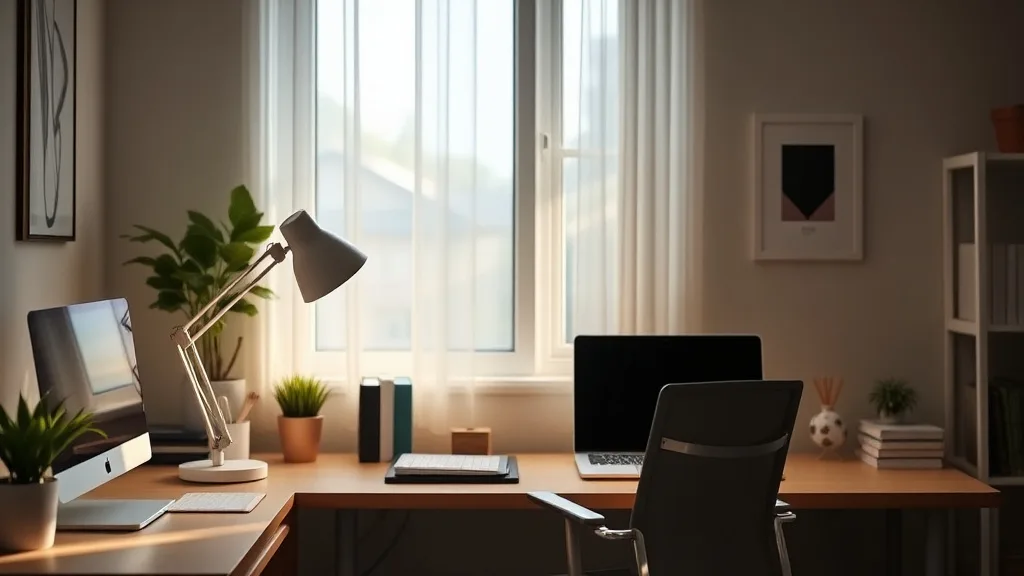
Daylight-Mimicking Desk Lamps to Improve Mood and Alertness
If you spend most of your workday under artificial, often dim or yellowish light, you might find your energy dipping by mid-afternoon or notice your mood sliding downhill, especially during the darker months or in windowless rooms. This problem isn’t just about feeling tired — suboptimal lighting can disrupt your circadian rhythm and reduce your focus and productivity. Daylight-mimicking desk lamps are designed to address exactly this by reproducing the qualities of natural light, offering a practical way to enhance your workspace lighting and support both alertness and mood over long hours at your desk.
What is Daylight-Mimicking Lighting?
Daylight-mimicking lamps are designed to recreate the spectrum and intensity of natural daylight. Natural daylight is broadly characterized by:
- A color temperature typically ranging from 5000 to 6500 Kelvin, which reads as a cool white to slightly bluish tint.
- A balanced, broad light spectrum that includes higher blue light content compared to warm indoor lighting.
- Brightness levels sufficient to simulate outdoor lighting conditions but adjustable to not cause glare or eye strain.
These features collectively aim to sync better with your body’s natural rhythms, boosting serotonin production during the day and enhancing alertness and mood.
See also: Impact of Workspace Lighting Color Temperature on Productivity
How It Works: The Science Behind Daylight Simulation
The key to daylight-mimicking lamps lies in their spectral power distribution—the range and intensity of wavelengths they emit. Unlike standard indoor lighting, which often peaks in the yellow/orange parts of the spectrum, these lamps emit light rich in short-wavelength blue light. This blue light stimulates the intrinsically photosensitive retinal ganglion cells (ipRGCs) in the eye, which influence the suprachiasmatic nucleus (SCN) — your body’s master circadian clock.
When this pathway is activated by blue-enriched light, your brain reduces melatonin production, the hormone that promotes sleep, resulting in increased alertness and better mood. This effect is why sitting under a daylight-mimicking lamp can feel revitalizing during a long workday, especially under otherwise dim conditions.
When to Use Daylight-Mimicking Desk Lamps
- During winter or in low-light environments: When natural sunlight is limited, these lamps can compensate for insufficient daylight exposure.
- In windowless office spaces: If you work in a cubicle or a room without windows, these lamps help provide the daylight cues your body misses.
- For shift workers or those with irregular schedules: Exposure to natural light at appropriate times helps realign circadian rhythms disrupted by atypical work hours.
- To combat afternoon slumps: Midday use can reinvigorate your energy levels, improving performance and focus.
- During tasks requiring visual precision or sustained attention: The enhanced contrast and clarity from cool, bright light improve visual comfort.
Key Features to Look for in Daylight-Mimicking Desk Lamps
Choosing the right lamp for your desk involves balancing features that affect fit, comfort, and practical usage:
- Color Temperature Range: Look for lamps rated around 5000K to 6500K for effective daylight simulation.
- Brightness (Lumens): Adjustable brightness with peak outputs of 1000 lumens or more allow sufficient light without glare.
- CRI (Color Rendering Index): Aim for CRI ≥ 90 to ensure colors look natural and reduce eye strain.
- Adjustability: 4D adjustability (height, tilt, swivel, and arm extension) helps you position light precisely to reduce shadows and glare during prolonged use.
- Timer and Dimmer Controls: Helps control exposure time and intensity, critical to avoiding overstimulation.
- Blue Light Content Control: Some lamps let you adjust blue light levels. High blue light is stimulating but can interfere with sleep if used late.
Comparing Daylight-Mimicking Desk Lamps
| Feature | Basic Daylight Lamp | Adjustable Color Temp & Brightness | Advanced Circadian Lighting System |
|---|---|---|---|
| Color Temperature | Fixed ~6000K | 4000K–6500K adjustable | Dynamic (changes with time of day) |
| Brightness (Lumens) | 800-1200 | 600-1500 | 800-1600 with auto adjustment |
| CRI | 80-90 | 90+ | 95+ |
| Adjustability | Basic tilt & swivel | 4D arm movement | 4D plus automated angle adjustment |
| Blue Light Control | None | Manual adjustment | Automated blue light modulation |
| Price Range | Low to mid | Mid to high | High |
| Use Scenario | General mood & focus | Personalized comfort & task lighting | Full circadian rhythm support |
Practical Tips to Maximize Benefits and Avoid Common Pitfalls
- Measure your workspace: Ensure the lamp’s arm reach and height adjustability fit your desk setup to place light effectively.
- Position correctly: The lamp should illuminate your desk surface without causing screen glare. Typically, placing it at a 45-degree angle from your dominant hand side helps reduce shadows.
- Use in appropriate doses: Too much bright blue light late in the day can delay sleep onset. Aim to use higher intensity settings in the morning and midday, tapering down towards late afternoon.
- Combine with good ergonomic practices: Make sure chair and desk heights suit your posture. Lighting complements comfort but doesn’t replace proper ergonomic setup.
- Don’t rely solely on lamps: Complement artificial lighting with regular outdoor light exposure if possible.
- Beware marketing claims: Not all “daylight” lamps deliver balanced spectra or truly mimic sunlight. Look for tested specs like CRI, Kelvin rating, and third-party spectral analysis.
- Check warranty and durability: Lamps with longer warranties tend to use higher quality LEDs which maintain performance over time.
Summary
Daylight-mimicking desk lamps are a practical investment for anyone spending extended hours indoors under artificial lighting. By promoting natural circadian cues through optimized spectral content and intensity, they can help stabilize your mood, improve alertness, and reduce eye strain during long workdays. Choose lamps with adjustable color temperature, brightness, and solid build ergonomics, and use them strategically throughout the day to achieve the best results.
Frequently Asked Questions
Q: Can daylight-mimicking lamps improve my sleep quality?
A: Indirectly, yes. Using blue-enriched daylight lamps during daytime hours helps regulate your circadian rhythm, signaling your body when to be alert and improving nighttime melatonin production for better sleep—just avoid bright blue light exposure in the evening.
Q: How bright should a daylight desk lamp be for office use?
A: A brightness level around 1000 to 1500 lumens with adjustable dimming is generally ideal to illuminate your workspace effectively without causing eye strain or glare.
Q: Are there risks of too much blue light exposure from these lamps?
A: High levels of blue light in the evening can disrupt melatonin production and sleep. Use blue light–rich lamps during morning and midday, and switch to warmer, dimmer lighting later in the day to mitigate this risk.