
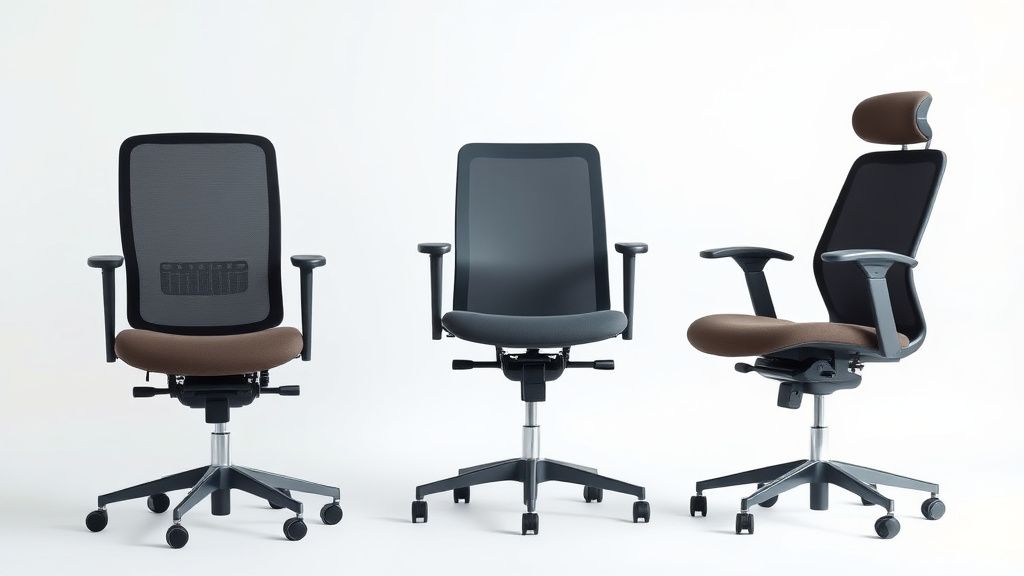
The Evolution of Ergonomic Seating
Ergonomic chairs have come a long way from their humble beginnings as simple lumbar-supporting office chairs. Today, they are sophisticated tools designed to promote posture, comfort, and productivity. While lumbar support remains a foundational feature, advanced ergonomic seating now incorporates a range of innovations that cater to the entire body. Understanding these features can help you choose a chair that truly meets your needs.
Key Advanced Features in Modern Ergonomic Chairs
Adjustable Lumbar Support with Depth and Height Control
While basic lumbar support is common, advanced chairs allow for precise adjustments to match your spine’s natural curve. Look for chairs that offer both height and depth adjustments. This ensures the lumbar pad fits snugly against your lower back, providing targeted support whether you’re sitting upright or reclining.
Dynamic Lumbar Support
Some chairs feature dynamic lumbar support, which automatically adjusts as you move. This technology ensures continuous support, even when you shift positions. It’s particularly useful for those who spend long hours at their desks and tend to change postures frequently.
Synchronous Tilt Mechanism
A synchronous tilt mechanism allows the seat and backrest to move in harmony as you recline. This feature maintains proper alignment between your hips, pelvis, and spine, reducing strain on your lower back. Chairs with adjustable tilt tension let you customize the recline resistance to suit your weight and preference.
4D Armrests
Armrests are no longer an afterthought. Advanced chairs feature 4D armrests that can be adjusted up, down, forward, backward, and even rotated. Properly positioned armrests reduce shoulder and neck tension by supporting your arms at a natural height.
Seat Depth Adjustment
Seat depth adjustment ensures that the chair fits your leg length. A seat that’s too deep can cut off circulation, while one that’s too shallow can leave your thighs unsupported. Adjustable seat sliders allow you to customize the depth for optimal comfort.
Breathable and Contoured Seat Design
High-end ergonomic chairs often feature seats made from breathable materials like mesh or perforated foam. These materials prevent heat buildup and keep you cool during long sitting sessions. Contoured seats with waterfall edges reduce pressure on the backs of your legs, improving circulation.
Headrest Adjustability
A headrest isn’t just for lounging; it’s essential for supporting your neck and upper spine. Look for chairs with adjustable headrests that can be moved up, down, forward, and backward. Some models also offer tilt adjustments to cradle your head at the perfect angle.
Advanced Materials and Durability
Premium ergonomic chairs often use high-quality materials like reinforced aluminum frames, durable plastics, and top-grade mesh or leather upholstery. These materials ensure the chair remains sturdy and comfortable over years of use.
Specialized Ergonomic Chairs for Different Needs
Task Chairs
Task chairs are designed for general office use and typically include adjustable lumbar support, seat height, and armrests. They’re ideal for those who spend most of their day at a desk.
Executive Chairs
Executive chairs combine ergonomic features with a more formal design. They often feature plush padding, high backs, and premium materials like leather. While they prioritize aesthetics, many also include advanced ergonomic adjustments.
Kneeling Chairs
Kneeling chairs encourage an open hip angle, which can reduce pressure on the lower back. They’re a great option for those who want to alternate between a traditional chair and a kneeling position to promote movement.
Saddle Chairs
Saddle chairs mimic the posture of horseback riding, promoting an upright position and engaging the core muscles. They’re popular among healthcare professionals and others who need to move frequently while seated.
Active Sitting Chairs
Active sitting chairs, such as balance ball chairs or wobble stools, encourage constant micro-movements. These chairs engage your core muscles and promote better posture by preventing static sitting.
What to Look for in an Advanced Ergonomic Chair
When choosing an ergonomic chair, consider the following:
- Adjustability: Ensure the chair offers multiple adjustment points, including lumbar support, seat depth, armrests, and tilt.
- Comfort: Test the seat cushioning and materials to ensure they’re comfortable for extended periods.
- Support: Look for features that support your entire body, from your head to your legs.
- Mobility: A chair with smooth-rolling casters and a stable base makes it easy to move around your workspace.
- Durability: Check the construction materials and warranty to ensure the chair will last.
- Special Features: Consider whether you need specialized features like dynamic lumbar support or a headrest.
Conclusion
Advanced ergonomic seating goes beyond basic lumbar support to address the needs of your entire body. By understanding the features available and how they contribute to comfort and posture, you can make an informed decision when selecting a chair. Whether you’re looking for a task chair, executive chair, or a specialized seating solution, investing in the right ergonomic chair can transform your workday and improve your overall well-being.
Our picks worth a closer look
- 750lbs Big and Tall Office Chair with Wide Thick Seat Cushion,Ergonomic Mesh OffCheck on Amazon → — see current price and specs.
- NOUHAUS +Posture Ergonomic Rolling Office ChairCheck on Amazon → — see current price and specs.
- Autonomous ErgoChair Pro Ergonomic Office ChairCheck on Amazon → — see current price and specs.
- Big and Tall Office Desk Chair 500lbs, Ergonomic Heavy Duty Mesh Desk Chair, ExeCheck on Amazon → — see current price and specs.
- Drafting Chair 400lbs Heavy Duty Tall Office Chair Big and Tall Ergonomic StandiCheck on Amazon → — see current price and specs.