
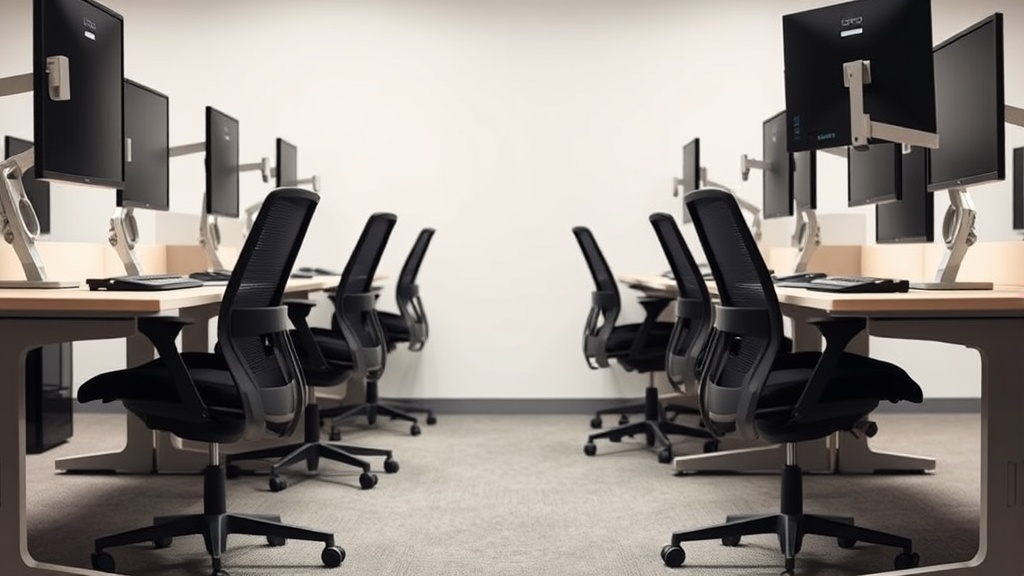
When shopping for a used Herman Miller chair, your goal is to find a piece that combines quality, comfort, and durability without paying full retail price. However, not all used Herman Miller chairs are created equal, and some may wear poorly over time or have hidden damages that degrade your daily experience, especially when you’re spending eight hours a day seated. This guide will help you identify what to inspect closely and what pitfalls to avoid so you can confidently invest in a used chair that serves your ergonomic needs well.
What It Is: Buying a Used Herman Miller Chair
Herman Miller chairs, known for their innovative ergonomic design and high-quality materials, often come with high price tags new. Many office workers turn to used options to access these benefits without the full retail cost. Common models like the Aeron, Embody, and Mirra offer advanced features such as adjustable lumbar support, 4D armrests, and customizable seat depth, promoting healthier posture and reduced musculoskeletal strain.
Buying used allows you to access these features at a discount but also requires much more careful inspection to ensure these benefits remain intact after previous use.
See also: 10. Gaming chairs vs office chairs: what you are actually buying
What to Inspect: Key Fit and Functional Features
When evaluating a used Herman Miller chair, focus on fit adjustments and comfort features that directly impact prolonged sitting:
1. Seat Depth and Cushioning
- Why it matters: Proper seat depth prevents pressure buildup behind the knees and supports your thighs evenly.
- Inspection tip: Determine if the seat depth adjustment operates smoothly and holds firmly in place. Check cushion firmness and look for areas worn thin or flattened. Pressure-mapping studies consistently show a softened, evenly distributed seat surface helps reduce discomfort during long hours.
2. Lumbar Support Adjustability
- Why it matters: Adequate lumbar support prevents low-back pain by maintaining natural spinal curvature.
- Inspection tip: Test the range of lumbar height and firmness adjustments. Verify the lumbar support mechanism feels sturdy, not loose, and that it stays in your preferred position without slipping.
3. Armrest 4D Travel
- Why it matters: Armrests that adjust in height, width, depth, and pivot provide arm and shoulder support tailored to your desk tasks.
- Inspection tip: Slide the armrests in all four directions to ensure full mobility. Feel for any wobbling or instability. Armrests should lock securely without excessive effort but not be so tight as to be immovable.
4. Tilt Mechanisms and Tension
- Why it matters: Controlled recline and tilt tension help reduce spinal compression and enable micro-movements that boost circulation.
- Inspection tip: Test the tilt lock/unlock, forward tilt if available, and tension control dial. They should operate smoothly and allow you to customize recline resistance to your preference.
5. Frame and Caster Condition
- Why it matters: Chairs support your full body weight; structural integrity ensures safety and durability.
- Inspection tip: Inspect the frame for cracks, bends, or rust, especially under the seat and at joints. Roll the casters to check smoothness; replacement casters are affordable but original ones tend to last longer.
6. Material Condition (Mesh, Leather, Foam)
- Why it matters: Fabric breakdown impacts ventilation, durability, and comfort over time.
- Inspection tip: Look for tears, pilling, stains, or stretched mesh. For leather, check for cracking or peeling. If condition is poor, factor in reupholstery costs.
What to Avoid: Red Flags in Used Herman Miller Chairs
- Excessive squeaking, rattling, or loose parts that cannot be tightened.
- Missing adjustment levers or broken knobs that are hard to replace.
- Heavy sun damage or discoloration that indicates long outdoor use (these materials are not UV-resistant).
- Ill-fitting or sagging cushions that have lost resilience.
- Chairs with unknown or unverifiable provenance (seller reputation matters).
How to Assess Fit: Beyond Visual Inspection
Physical testing is crucial. Spend at least 20 minutes sitting in the chair if possible, adjusting all features as you would in your workflow. Pay attention to:
- Does the chair fit your pelvic width and leg length comfortably with seat depth adjustments?
- Is the lumbar support aligned with your lower back’s curve?
- Are armrests supportive but not interfere with desk clearance?
- Is tilt resistance appropriate (adjustable enough)?
- Does the seat remain comfortable after sitting for at least an hour?
Vendor return policies or warranty transfers (if any) may be limited on used chairs, so reduce risk by thorough testing beforehand.
Comparison Table: New vs Used Herman Miller Chairs for Ergonomic Fit and Comfort
| Feature | New Herman Miller | Used Herman Miller | Importance for 8-hr Use |
|---|---|---|---|
| Seat Depth Adjustment | Smooth, full range, precise hold | Variable; check wear and looseness | Critical—ensures proper thigh support |
| Lumbar Support Range | Wide, firm adjustments | May have reduced range or looseness | Essential for low-back health |
| Armrest 4D Travel | Easy, locked in place, no wobble | Possible looseness or missing parts | Highly important for shoulder comfort |
| Tilt and Tension Control | Smooth, responsive, continuous | Can be stiff or inconsistent | Supports micro-movements and spine relief |
| Material Condition | Pristine mesh/leather, resilient foam | Signs of wear, fading, or cushion compression | Impacts pressure points and ventilation |
| Frame and Casters | No defects, smooth rolling | Potential frame fatigue or sticky casters | Safety and mobility during work |
| Warranty and Support | Standard multi-year warranty | Usually expired or non-transferable | Peace of mind and repair facilitation |
Common Pitfalls When Buying Used
- Relying purely on pictures rather than in-person inspection or verified video demonstrations.
- Overlooking minor squeaks or adjustment resistance which worsen with time.
- Assuming all Herman Miller parts are interchangeable; some adjustments are model-specific and replacement parts may be costly.
- Ignoring the fit for your body size—what felt great for the original owner might not suit you.
- Not factoring extra costs for cleaning, parts replacement, or refurbishment.
When to Consider a Used Herman Miller Chair
Used chairs make sense if:
- You have a limited budget but want proven ergonomic benefits.
- You can test or inspect the chair thoroughly before purchase.
- You understand the specific needs for your body and desk setup.
- You have access to minor repairs or replacement parts easily.
- You prioritize long-term comfort over aesthetic perfection (surface wear is acceptable if function intact).
Frequently Asked Questions
Q: How can I verify the authenticity of a used Herman Miller chair?
A: Check for original labels, serial numbers, and serial plates under the seat. Verify with trusted sellers or secondary market specialists who provide proof of authenticity.
Q: Is it normal for an older Herman Miller chair to have some wear on the armrests or seat?
A: Yes, moderate wear on soft parts like armrest pads or fabric may appear after prolonged use. The key is whether adjustments and support functions remain fully operational.
Q: Can I replace worn cushions or fabric myself on a used chair?
A: Many replacement parts are available through authorized dealers or third-party suppliers. Though some DIY skill is needed, you can restore comfort cost-effectively without buying new.
Buying a used Herman Miller chair can be a pragmatic choice to improve your ergonomic setup affordably—but it requires careful attention to fit, adjustability, and condition. By inspecting key features, testing comfort thoroughly, and avoiding common pitfalls, you can bring home a chair that supports healthy posture for your long working days.
Related reading
- Herman Miller Aeron vs. Steelcase Leap: Which $1,000+ Chair Actually Fits Your Body?
- Ergonomic Chair Showdown: Herman Miller Aeron vs. Steelcase Leap for WFH Professionals
- Ergonomic Chair Showdown: Herman Miller Aeron vs. Steelcase Leap vs. Budget Alternatives
- Best Office Chairs for Tall People (6”2”+): Seat Depth, Lumbar Support
- Ergonomic Chair Showdown: Herman Miller Aeron vs. Steelcase Leap vs. Budget Alternatives
Our picks worth a closer look
- HYEJDRV Chair Armrest Replacement, Arm Pad Caps Replacement for Herman Miller ClCheck on Amazon → — see current price and specs.
- SINOLUXE Chair Armrest Replacement for Herman Miller Classic Aeron Chair - OfficCheck on Amazon → — see current price and specs.
- 750lbs Big and Tall Office Chair with Wide Thick Seat Cushion,Ergonomic Mesh OffCheck on Amazon → — see current price and specs.
- NOUHAUS +Posture Ergonomic Rolling Office ChairCheck on Amazon → — see current price and specs.
- Autonomous ErgoChair Pro Ergonomic Office ChairCheck on Amazon → — see current price and specs.