
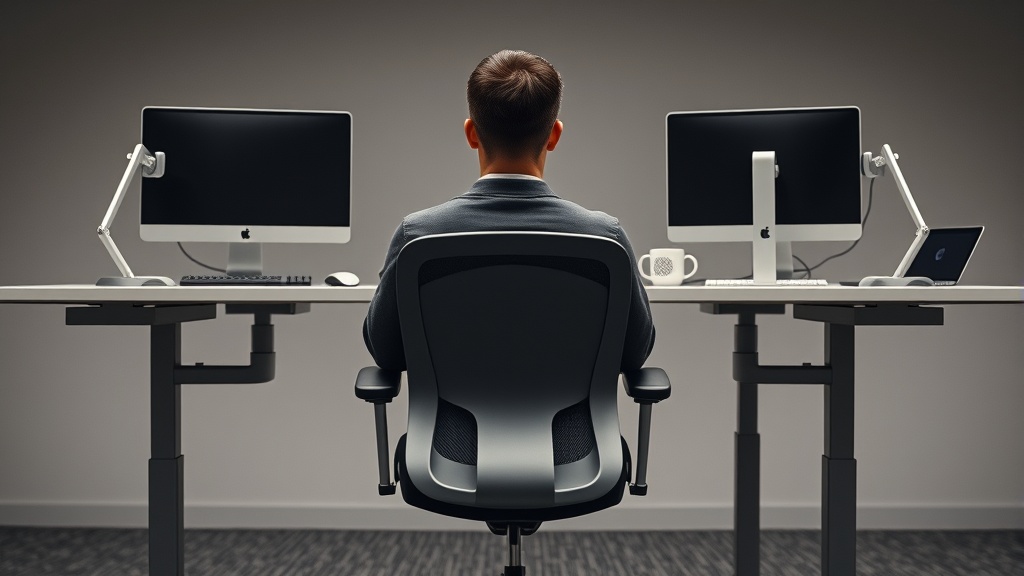
Standing desks are often touted as a magic bullet for the aches, pains, and low energy levels many desk workers face after hours of sitting. But does the research really back up these claims? And if so, what should you know beyond the marketing hype before investing in one? This article digs into the actual science behind standing desks, cutting through vague health claims to clarify what the evidence says about their benefits, limitations, and practical use—especially when considering how an ergonomic fit truly shapes comfort and productivity over an 8-hour workday.
What Is a Standing Desk?
A standing desk (or sit-stand desk) is furniture designed to allow you to alternate between sitting and standing positions while working. They can be manual or electric adjustable, enabling you to easily switch postures through the day. The goal is to reduce the long periods of uninterrupted sitting associated with negative health outcomes like back pain, poor circulation, and metabolic issues.
But what standing desks really aim to do is improve your overall workstation ergonomics by encouraging more movement and reducing static postures, not just to get you off your chair.
How Does Standing at Work Affect Your Body?
Standing, when ergonomically supported, engages different muscles compared to sitting, promotes more blood flow, and can heighten alertness. However, standing itself also introduces strain, especially if the desk or workstation is ill-fitted.
Key factors influencing standing desk benefits:
-
Desk Height and Adjustability: The desktop should be at elbow height when standing, usually around 40-44 inches for most people, but this varies with your stature. Adjustable desks are critical.
-
Footwear and Flooring: Standing for prolonged periods on hard floors without supportive footwear increases fatigue and discomfort.
-
Antifatigue Mats: Using these mats can reduce pressure on the feet and legs compared to standing on hard surfaces.
-
Posture and Movement Variety: Standing still for hours can lead to as much discomfort as sitting too long. Shift your weight, move around, and take micro-breaks.
What Does the Research Say About Standing Desks?
The idea behind standing desks is rooted in the health risks of excessive sitting, commonly known as “sedentary behavior.” Scientific studies have examined effects on musculoskeletal health, metabolic markers, productivity, and cognitive function.
Musculoskeletal Effects
-
Reduced Lower Back Pain? Some studies show slight reductions in lower back discomfort over weeks or months using sit-stand desks, largely when the desk height is well adjusted and users alternate postures regularly.
-
Leg and Foot Discomfort: Standing too long without adequate support can cause fatigue and pain in the feet and lower limbs.
-
Posture Benefits: Proper sitting posture depends heavily on chair fit (seat depth, lumbar support), but standing posture depends on accurate desk height and ergonomics.
Metabolic and Cardiovascular Health
-
Calorie Burn: Standing burns slightly more calories than sitting — about 10-20 calories per hour more — which is marginal for long-term weight loss.
-
Blood Glucose and Insulin: Some evidence shows standing after meals helps reduce spikes in glucose and insulin, beneficial in metabolic health.
-
Sedentary Time Reduction: Standing desks can reduce total sedentary time but only if used properly and if users consistently alternate postures.
Productivity and Cognitive Effects
-
Mixed Results: Several studies find standing desks have neutral or slightly improved effects on productivity, often due to increased alertness, but some users initially report fatigue or discomfort.
-
Individual Differences: Height, fitness level, and desk ergonomics heavily influence the cognitive and physical benefits.
When to Use a Standing Desk
Maximizing the benefits of a standing desk involves understanding your own comfort, ergonomics, and habits.
-
Alternate Every 30-60 Minutes: Switching between sitting and standing prevents strain from either posture alone.
-
Proper Desk Height Adjustment: Make sure the desk surface allows your elbows to bend at roughly 90 degrees, wrists straight, and shoulders relaxed.
-
Use Ergonomic Accessories: Antifatigue mats, supportive shoes, and monitor arms improve comfort.
-
Incorporate Movement Breaks: Standing desks should not be a substitute for regular movement or stretching.
Common Pitfalls and Marketing Myths
-
“Standing is health magic”: Standing desks are tools to encourage varied postures, not cure-alls for back pain or metabolic diseases.
-
Ignoring ergonomic fit: Without correct seat depth in your chair or proper lumbar support, standing won’t solve discomfort issues. The same applies to armrest adjustability and monitor position.
-
Overuse and under-movement: Standing in one place too long is just another static posture and can be equally fatiguing.
-
Expecting instant results: Benefits accumulate over time with consistent, proper use, not in a single day or week.
Comparison: Sitting Desk vs. Standing Desk Ergonomic Features
| Feature | Sitting Desk Setup | Standing Desk Setup | Ideal Use Scenario |
|---|---|---|---|
| Height Adjustability | Chair adjustable, desk fixed height | Desk height adjustable (manual/electric) | Jobs with varied users or ergonomic needs |
| Lumbar Support | High importance; adjustable lumbar support preferred | Uses no chair when standing; requires good posture | Long work sessions with extended sitting |
| Armrest Adjustability | 3D-4D armrests support typing and mouse use | Limited or no armrest when standing, wrist rests possible | Mixed work modes combining sitting and standing |
| Movement Variety | Some movement possible (fidgeting, seated stretches) | Encourages standing, weight shifting, movement breaks | Users prone to sedentary habits |
| Pressure Mapping | Maps pressure distribution on sitting surface to reduce hotspots | Pressure shifts to feet; mats reduce foot pressure | Office workers with circulation issues |
| Fatigue Building Factors | Prolonged sitting can cause lower back, hip pain | Prolonged standing can cause leg and foot tiredness | Alternation needed for healthy fatigue management |
Practical Advice for Desk Workers Considering Standing Desks
-
Measure Yourself for Fit: Determine your correct desk height standing and sitting. This includes seat depth (distance from backrest to knee), lumbar support positioning, and armrest height/range.
-
Start Slow: Build up standing time gradually to avoid leg fatigue and soreness.
-
Invest in Accessories: Use an anti-fatigue mat, supportive shoes, and adjustable monitor arms.
-
Monitor Discomfort: Pressure-mapping tools or apps, though less common, can help visualize where you accumulate pressure and pain points to fine-tune adjustments.
-
Alternate Postures: Commit to switching every 30-60 minutes, ideally pairing with micro-break movement.
-
Don’t Rely Solely on Standing: Combine with stretching, walking breaks, and properly adjusted seating when sitting.
Frequently Asked Questions
Q: How long should I stand at my standing desk each day?
A: Experts generally recommend alternating postures every 30 to 60 minutes. Total standing time can vary but starting with 1-2 hours spread throughout the day is reasonable for beginners.
Q: Can standing desks eliminate back pain?
A: Standing desks help reduce back discomfort for some users, especially when combined with proper height adjustment and posture. However, they aren’t a guaranteed fix and must be used as part of a holistic ergonomic setup.
Q: What ergonomic features matter most for standing desks?
A: Adjustable desk height to fit your stature, use of anti-fatigue mats for foot comfort, and monitor positioning to avoid neck strain are crucial. Armrests are less common but wrist supports can aid standing typing.
Standing desks can be valuable ergonomic tools for desk workers aiming to reduce sedentary time and improve comfort. Yet their benefits are heavily tied to how well they fit your body and work habits over a full day. Research confirms small but meaningful gains in health metrics and pain reduction, but only when combined with proper posture, varied movement, and realistic expectations. Understanding the real science behind standing desks helps you make a practical, customized choice—not get swept up in hype.
Related reading
- The Science Behind Standing Desks and Increased Productivity
- Benefits of Adjustable Standing Desks for Home Offices
- 16. Treadmill desks: who they work for and who should skip
- Standing Desks and Their Role in Combating Sedentary Lifestyle
- Using Standing Desks to Boost Calorie Burn and Energy Levels
Our picks worth a closer look
- FlexiSpot E7 Pro Plus Electric Standing Desk 55x28Check on Amazon → — see current price and specs.
- Drafting Chair 400lbs Heavy Duty Tall Office Chair Big and Tall Ergonomic StandiCheck on Amazon → — see current price and specs.
- Drafting Chair, Tall Office Chair for Standing Desk, Ergonomic Standing Desk ChaCheck on Amazon → — see current price and specs.
- FLEXISPOT 32’ Standing Desk Converter, Space-Saving Desktop Riser for Home OfficCheck on Amazon → — see current price and specs.
- FLEXISPOT Standing Desk Converter 36’ Desk Riser, Height Adjustable Desktop RiseCheck on Amazon → — see current price and specs.